
THE PODCAST
Elevating the conversation about all things tactical.
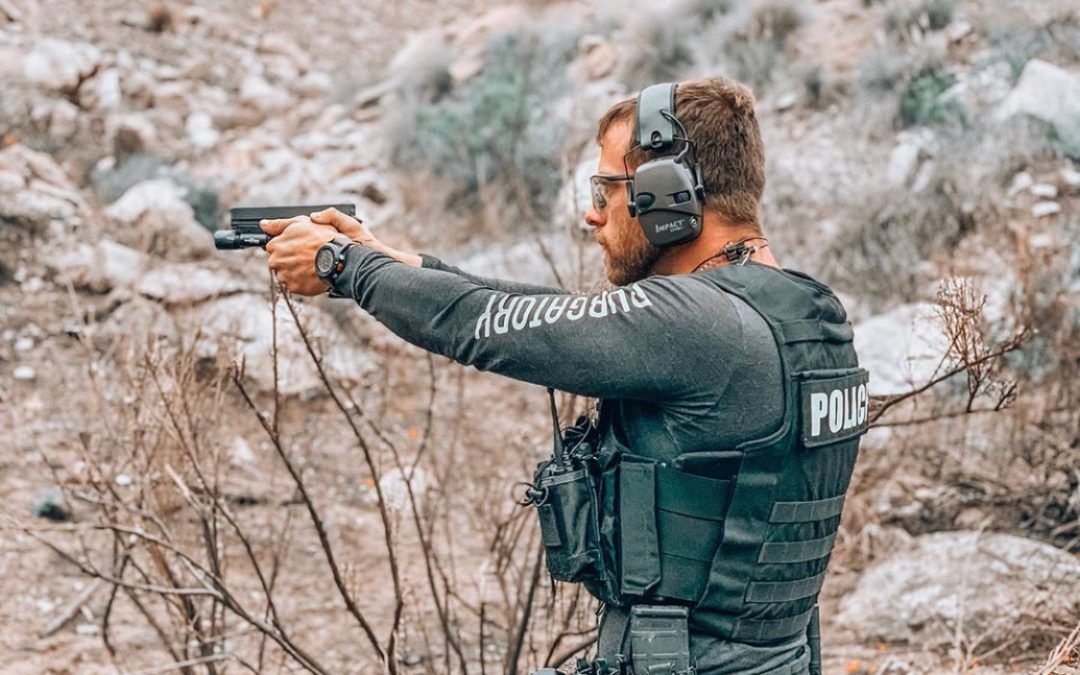
BIG NEWS FROM OFFICER ISAAC
We have been following our buddy Isaac’s career into law enforcement and it turns out, he’s got big news about where his career is headed. Hear what his plans are, what his favorite stories as a cop has been, and what advice he would give to someone new to the profession.
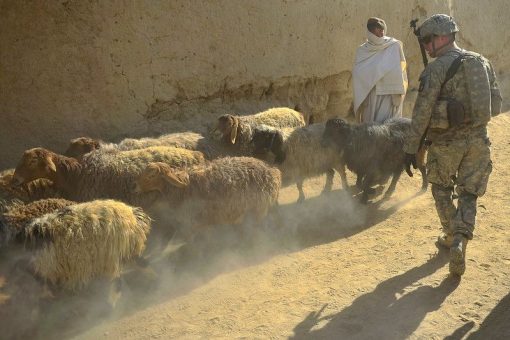
Killing Grossman: Understanding On Combat and On Killing
Mike and Jim discuss one of the most controversial figures in tactical thought: LTC Dave Grossman.

It’s Your Platoon – US Army Lt. Dave
Jim interviews Lt Dave from the US Army about his experiences as a young officer and what it means to lead troops and face off the Russians in Eastern Europe. He talks about his relationship with senior NCOs, the differences between different commissioning sources, and how his job as a Combat Engineering Officer fits into the big picture for large scale combat operations.
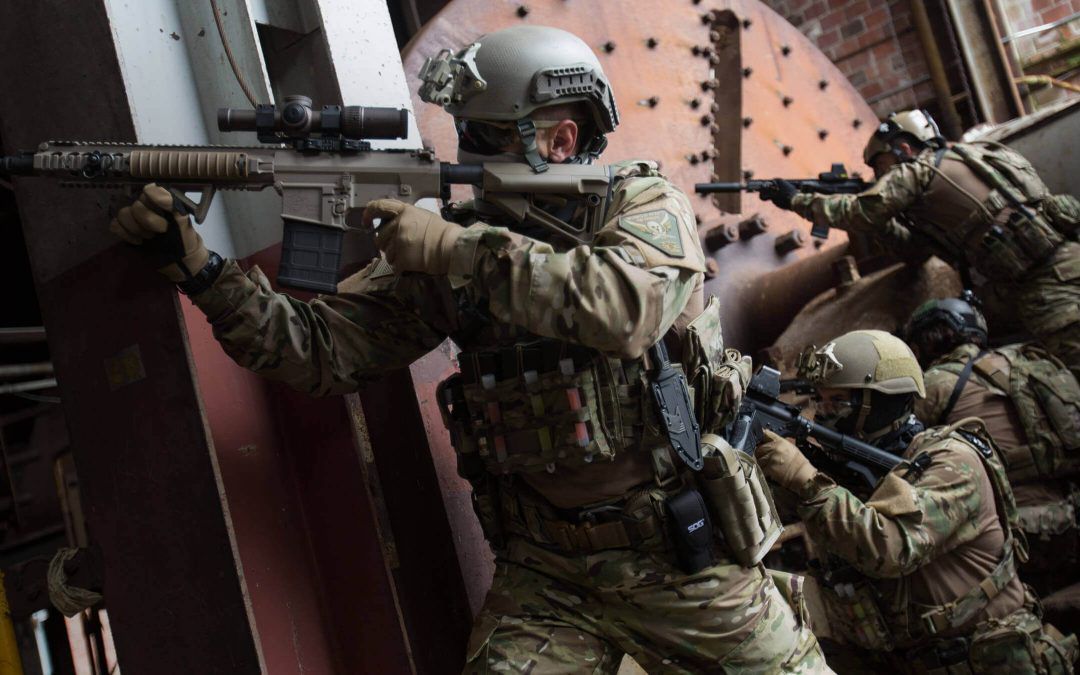
How to think like a Tactician
At Tactical Tangents, we talk a lot about “People Ideas Hardware” and how to apply that formula to making critical decisions in tactical situations. The point of this podcast is to help you, the “tactician,” apply critical thinking and problem solving to things like shooting, driving, fighting, and other skills so you can overcome any survival situation you find yourself in. That might be a concealed carry/self-defense scenario, it could be tactical situations in law enforcement or the military, or how you approach disaster preparation. Whatever the situation, your job needs to be focused around these core principles so you can fight effectively and win.
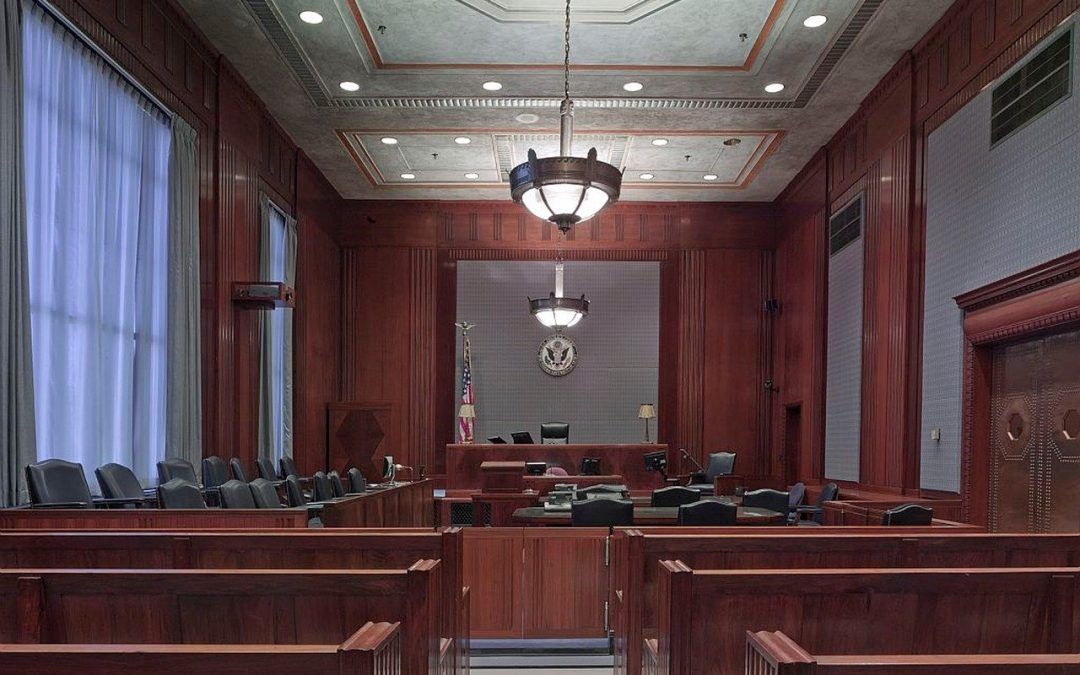
You Can’t Handle The Truth! Going to court and public trust
Chief Criminal Deputy County Attorney Jonathan Mosher (Pima County, Arizona) and Homicide Detective Josh Cheek share their lessons learned from taking serious violent offenders to trial and how police officers can be better witnesses. We also discuss the importance of establishing and retaining public trust by the way we investigate and prosecute crimes. Other Tangents include some commentary on the War on Drugs, the CSI effect, and considerations for arrest and charging decisions for law enforcement.

Fitness For Folks Who Don’t Fitness Good
This episode isn’t for hardcore fitness gurus, it’s for the people who realize they need to get up off the couch, watch what they eat, and take those first steps toward getting in shape. We wanted to address fitness from the beginning for those folks who don’t fitness good. These are the basic things you need to understand about losing weight and getting in shape. It starts with getting over the mental hurdles you put in your own way, and then setting manageable goals and expectations. Down the road, we’ll follow this up with more serious fitness talks but if you need a place to get started, start here.

“9-1-1, What’s your emergency?” Calling for Help: Dos and Don’ts
Mike explains how the 911 systems work in a way that is helpful to both first responders and those who need help. There are a lot of ways we lose information in the call taking process so make sure your emergency call renders the response you need. We also talk about when to call and ways to communicate covertly with a dispatcher.
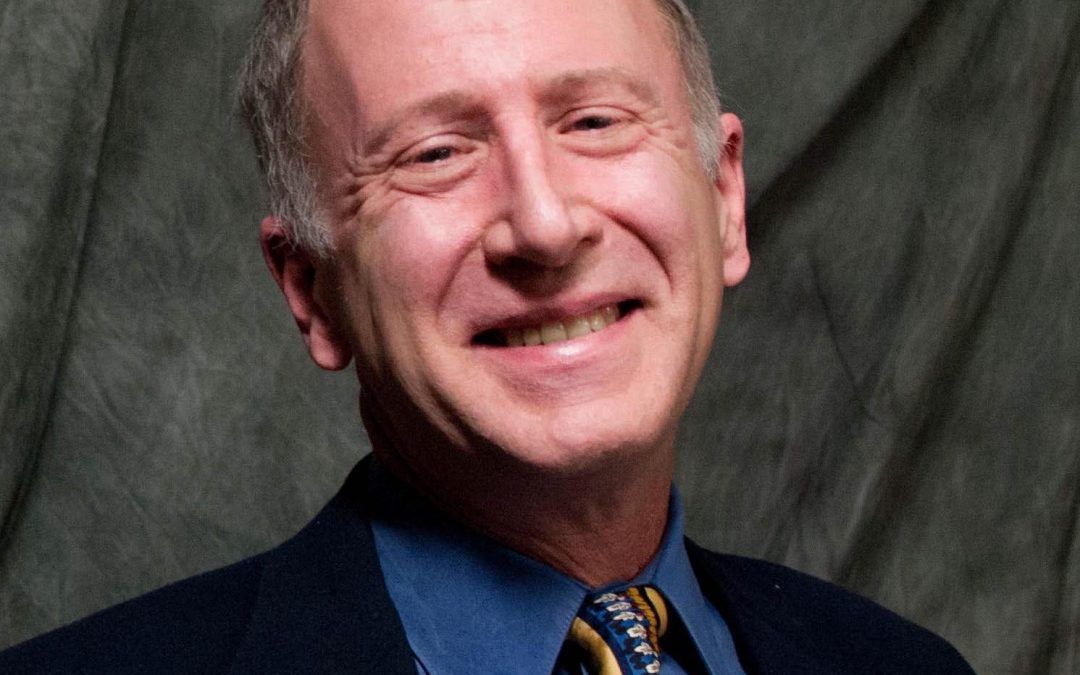
The Honorable Judge Edward Lee
Enjoy our interview with Veteran, Infantry Commander, Police Officer, former District Attorney, and leadership guru Judge Edward “Ned” Lee. Judge Lee recently retired after 28 years on the bench in California’s Superior Court. Hear his stories and lessons from a distinct and varied background in the criminal justice system.
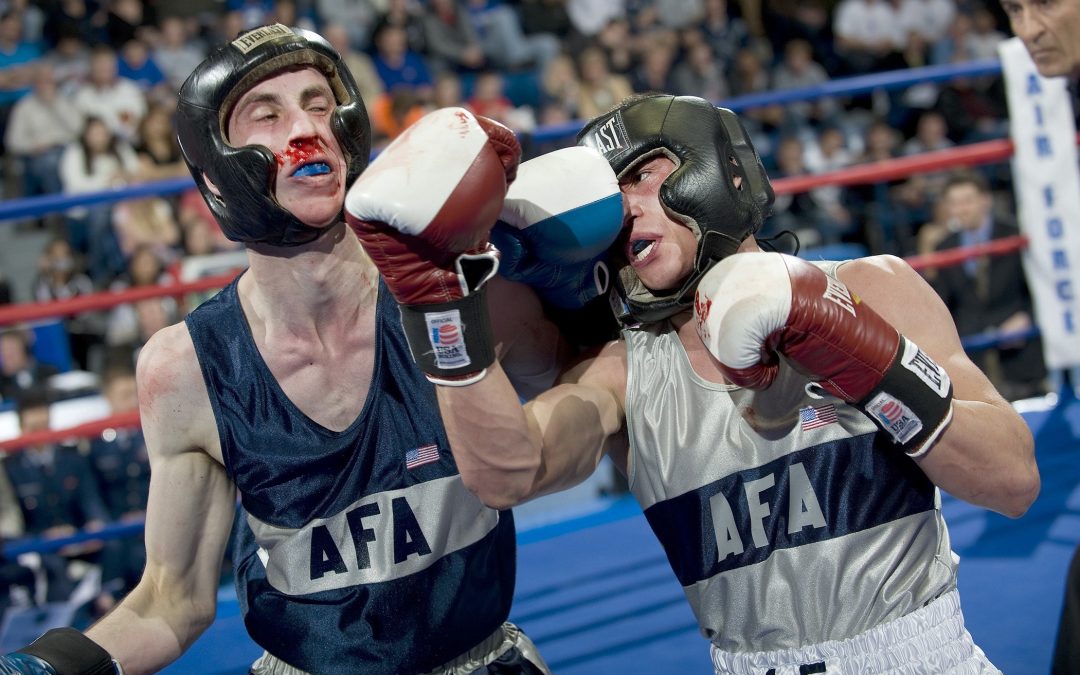
Fights from Law Enforcement
Jim asks Mike about a handful of fights that he’s been in as a police officer. Mike talks about his experiences early in life and how they led to him becoming a cop. This is not a complete police use of force episode but we scratch the surface and cover the basics. We also help apply those principles to self-defense. We touch briefly on de-escalation training and case law.
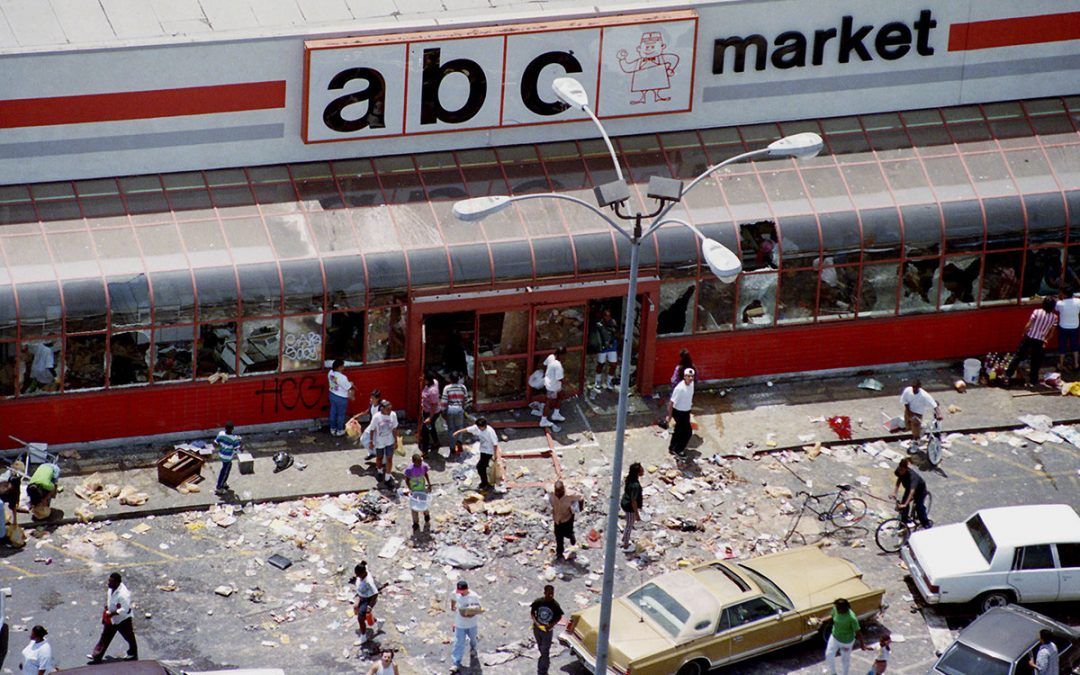
LA Riots and Civil Unrest
Mike and Jim give a rundown of the Los Angeles Riots and discuss the warning signs and implications of mass civil unrest. We also look into the term ‘Boogaloo’ making the rounds on the internet.
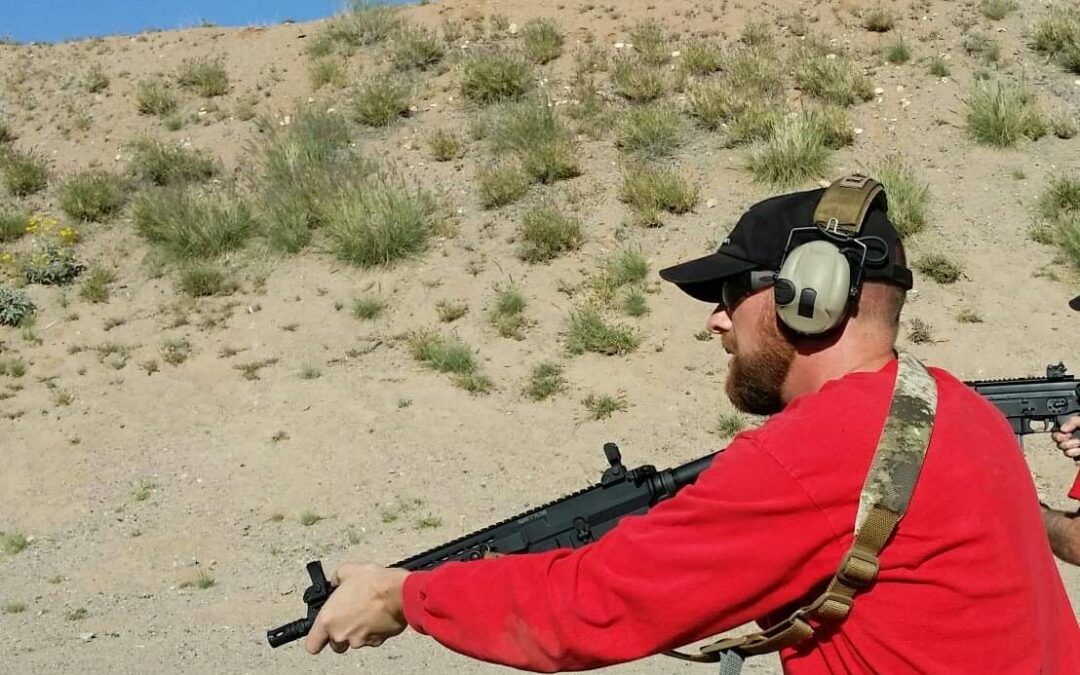
The Inner Game of Thriving
Tactical skills and physical fitness can help survive the fight, but what about emotional fitness after the fight is over? In addition to common symptoms like sleep disruption and reliving the incident, high responders may find themselves in the uncomfortable position of feeling isolated and out of control afterward. In this episode Ross & Mike talk about therapy resources, the importance of finding meaning outside the job, and preventative care ahead of time for mental resilience in the wake of a critical incident.
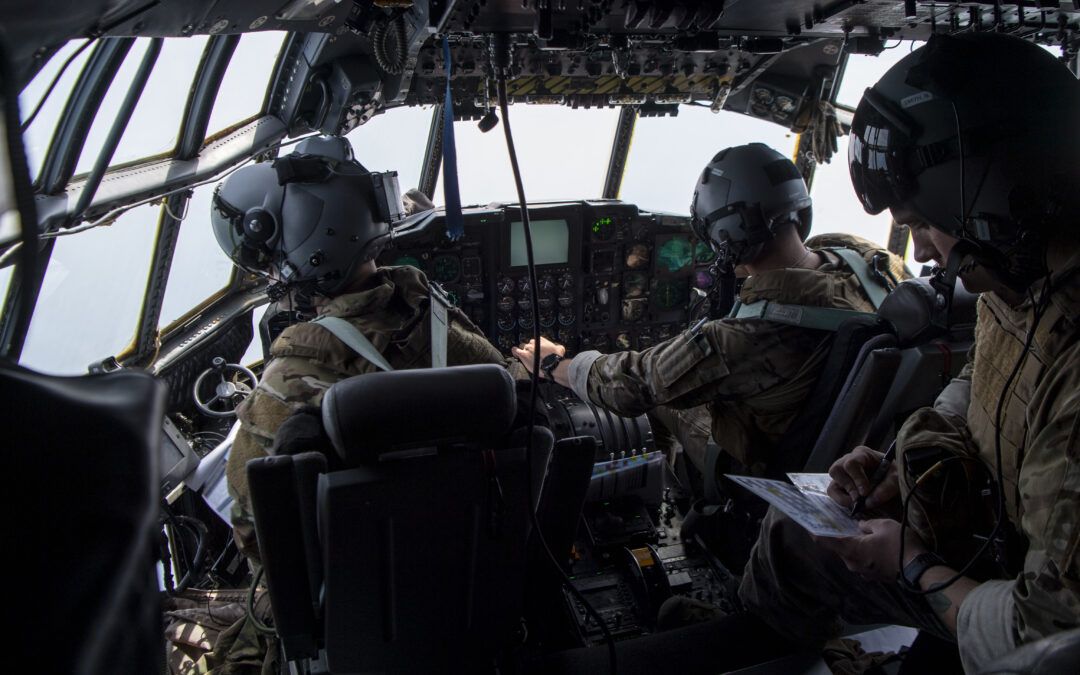
No Shi…Kidding, There I was…
Hard landings, cockpit equipment malfunctions, fires, and near-miss almost midair collisions while in an inverted spin, these situations that were terrifying at the time can be humorous in retrospect as long as everyone lived. More importantly, they all offer the sort of lessons that can’t be learned from a PowerPoint presentation, only by things going badly wrong in real time.Jim’s here to pass his hard won lessons on to you. And watch out for pterodactyls!
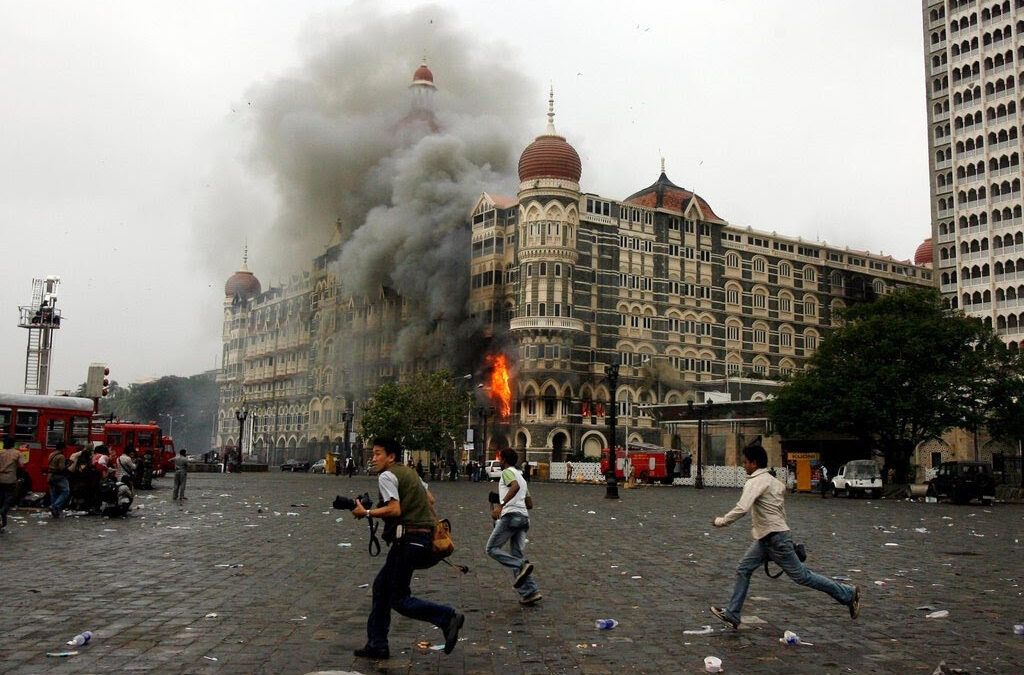
Symphony of Terror
The Mumbai incident, perpetrated by a squad of ten terrorists who had been through a rigorous selection and training process, introduced multiple novel problems worth considering. What happens when there are multiple shooters at different scenes simultaneously? When they have access to serious arms, including grenades, possibly provided by a foreign actor? When they use structure fires as a weapon? When they have outside command-and-control monitoring the news and communicating with the shooters via cell phone? These and other complications inherent in an attack like this are examined in this episode.
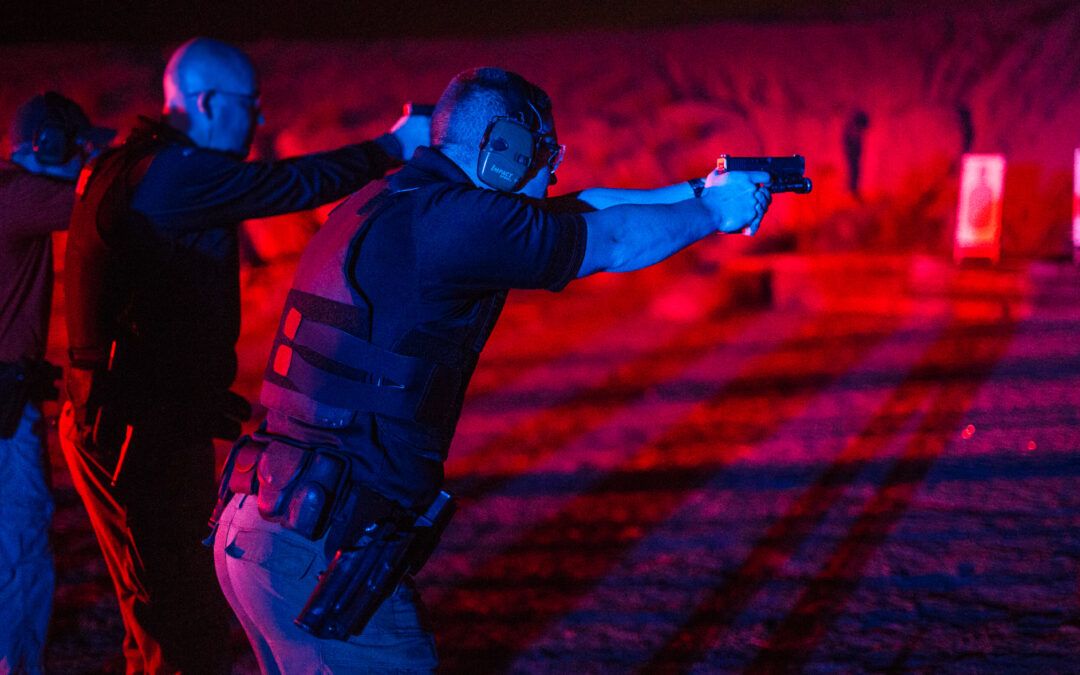
A Scared Cop is a Dangerous Cop
The most notorious manifestation of this phenomenon is the “’Oh Sh*t!’ Bang”, where a scared or startled cop results in a lawful-but-awful shooting that might have been avoided by better stress management and more confidence in the officer’s physical skills. However, Mike also explains the many other places that the poorly managed limbic response can rear its ugly head: Bad communication in stressful situations, indecision or half-decisions that allow a developing situation to get much worse, and more.
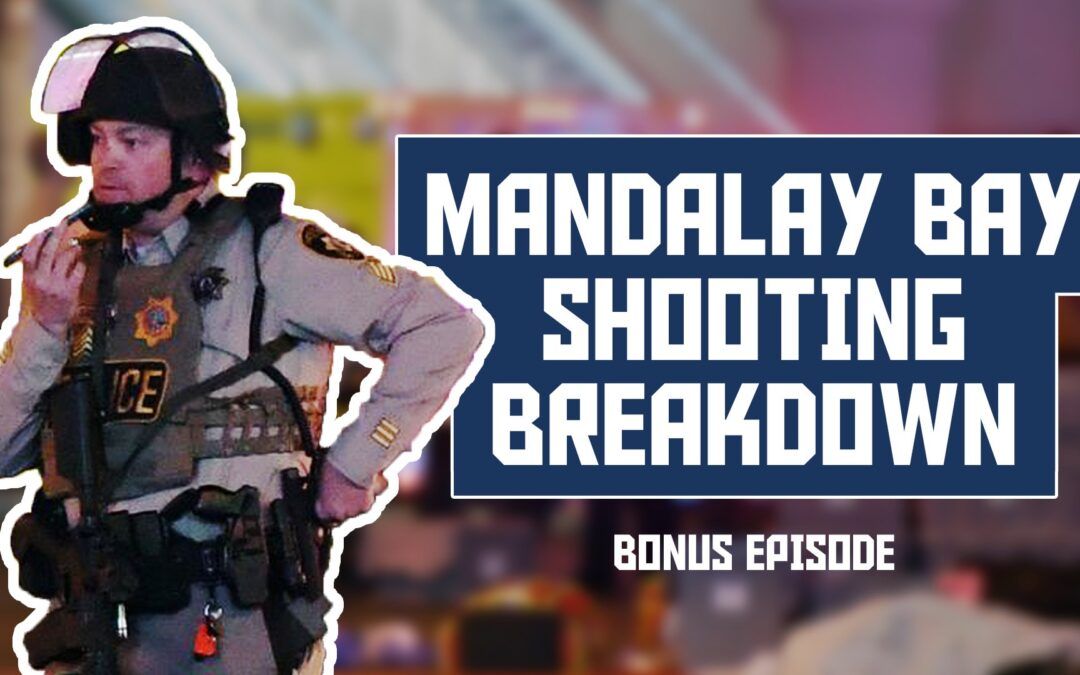
Mandalay Bay Mass Shooting Debrief w/ SWAT Commander & Patrol Sergeant
America’s largest mass killer attack did not end when the gunfire stopped. In this episode, retired LVMPD Lt. Will Huddler and Sgt. Ashton Packe revisit the Route 91 Country Music Festival shooting, sharing firsthand accounts supported by audio and video from the event. Their perspectives provide rare insight into what unfolded in real time—from the initial confusion and information gaps to the cascading challenges faced by responding officers and commanders.
No Results Found
The page you requested could not be found. Try refining your search, or use the navigation above to locate the post.
No Results Found
The page you requested could not be found. Try refining your search, or use the navigation above to locate the post.