
EPISODE 123
A Scared cop is a Dangerous Cop
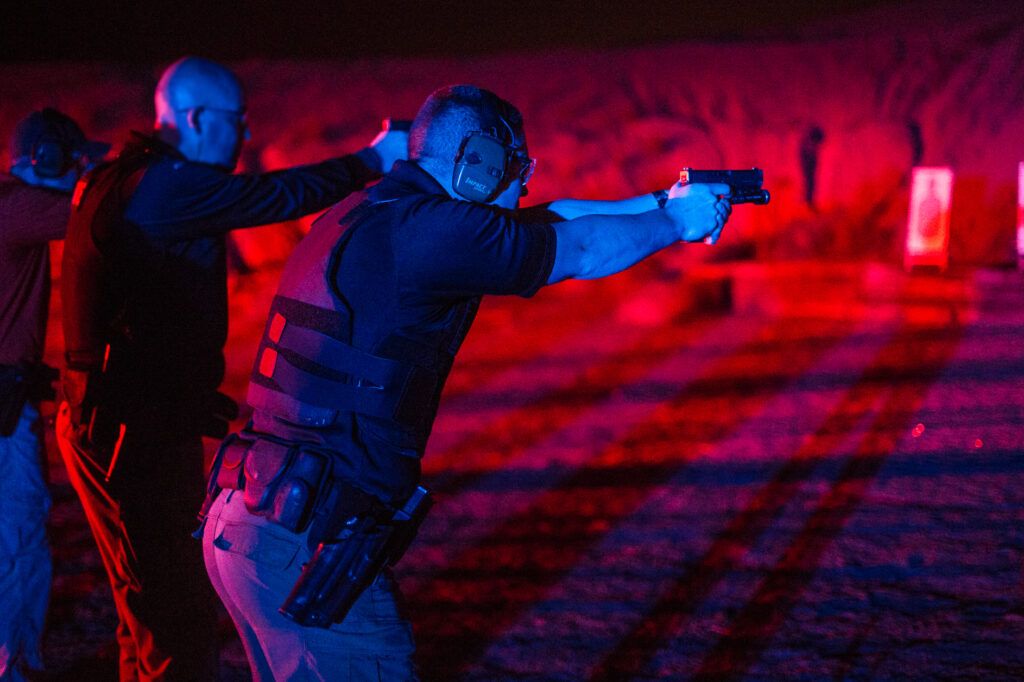
There are people who believe that inserting the police in a situation makes things worse. Are they right? In this solo episode from Mike, he looks at the perils of the “fear biter” and the negative effects of an unmanaged fight or flight response on decision making skills. Stress management is important, and it can’t be learned in a PowerPoint class.
The most notorious manifestation of this phenomenon is the “’Oh Sh*t!’ Bang”, where a scared or startled cop results in a lawful-but-awful shooting that might have been avoided by better stress management and more confidence in the officer’s physical skills. However, Mike also explains the many other places that the poorly managed limbic response can rear its ugly head: Bad communication in stressful situations, indecision or half-decisions that allow a developing situation to get much worse, and more.
Like what we’re doing? Head over to Patreon and give us a buck for each new episode. You can also make a one-time contribution at GoFundMe.
Intro music credit Bensound.com
CLICK BELOW TO SUBSCRIBE NOW ON YOUR FAVORITE PLAYER






THANK YOU TO OUR SPONSORS! PLEASE GO CHECK THEM OUT





Recent Episodes
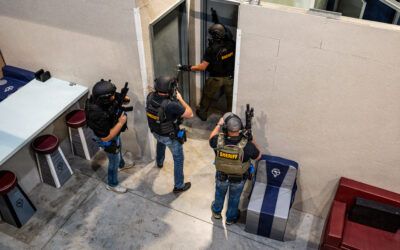
The best way to clear a house—CQB for Operators and Noobs
This episode explores the tradeoffs behind how we clear structures, why context matters, and what actually improves survivability when everything is working against you.
The Algorithm Isn’t the Boss-But It’s With Us in the Briefing Room
We focus on practical leadership considerations: when to trust automated tools, how to validate AI-generated information, and how organizations can integrate these technologies without surrendering judgment, sovereignty, or operational advantage. The ultimate goal is to help practitioners understand how AI changes the competitive landscape—and how professionals can adapt without becoming dependent on systems they don’t fully control.