
THE PODCAST
Elevating the conversation about all things tactical.
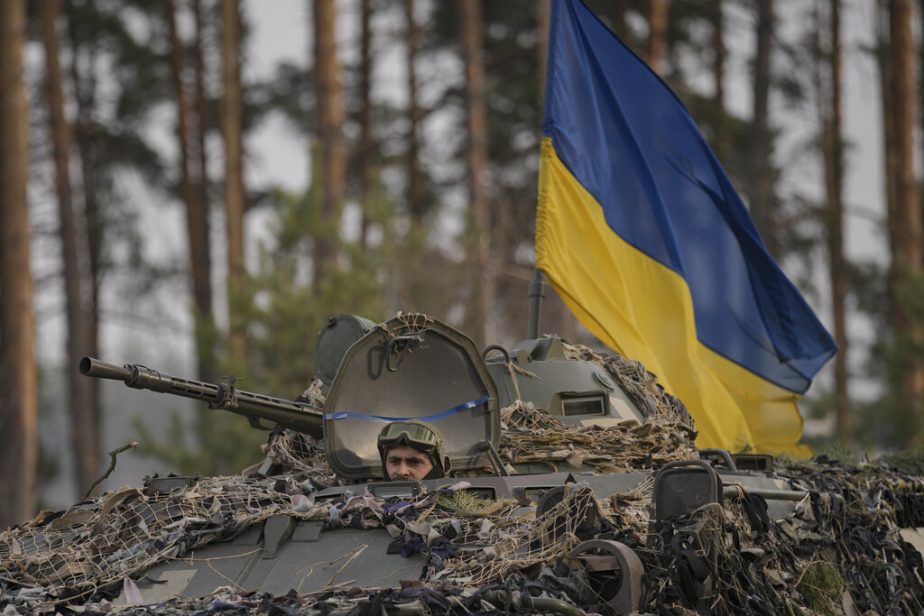
Short Talk: Big Picture Lessons from Ukraine
Jim gives us a quick review of the key tactical and strategic lessons coming out of Ukraine, including things like the role of tanks in modern conflict, drones and airpower, and information warfare. Russia has been learning lots of lessons like: stay out of Ukraine!
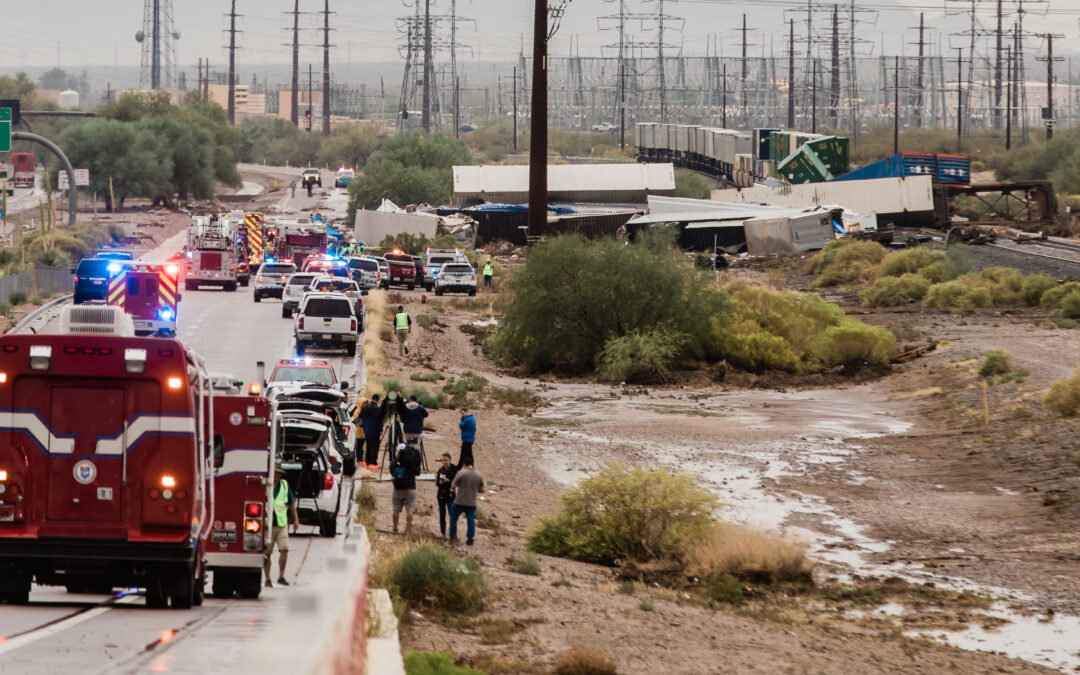
Doing More with Less: Scaling Resources in Major Incidents, Training, and Leadership Development
Whether you are trying to deliver consistent training to thousands of people or manage a major critical incident one thing is for certain: More is not always better. But a lot of tasks at major events are manpower intensive and we need to make the most of the available resources. This is a thought exercise especially for people who work in either really big or really small organizations who want to be able to scale up or down according to their needs, and who need to develop expertise in their front line troops and supervisors.
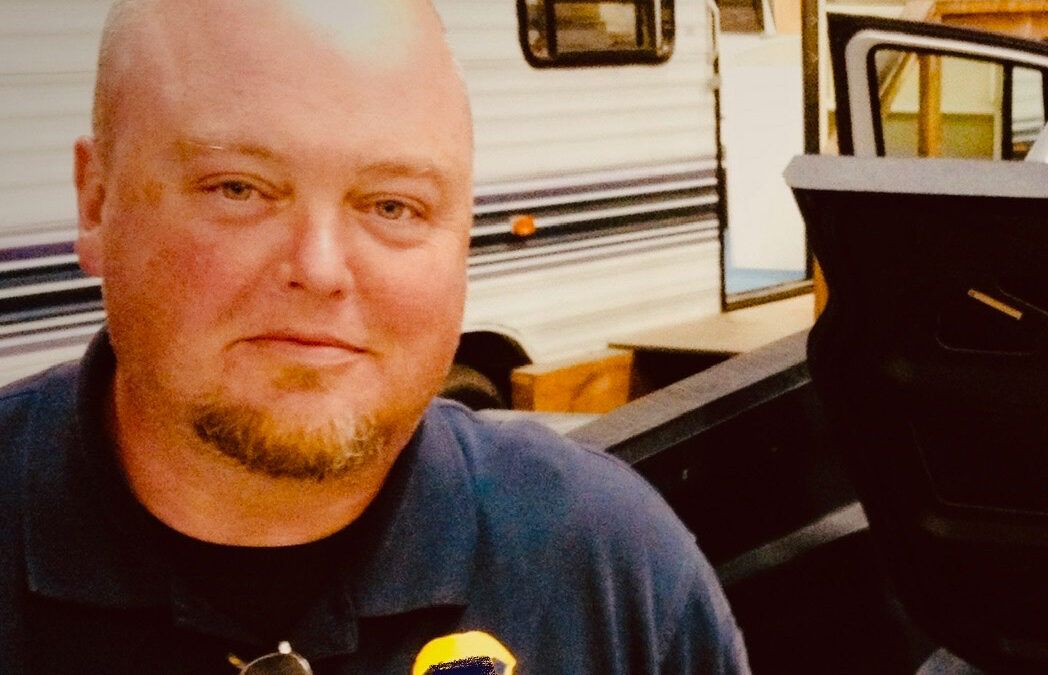
Mike Willever of Active Self Protection, Host of the ASP Podcast
Mike is a retired Special Agent from Homeland Security Investigations who also worked as a local cop back in the day. Now Mike hosts the ASP Podcast where he deep-dives critical self-defense encounters from both the civilian and public safety worlds. We compare and contrast federal and local law enforcement, and then we talk about some of the aggregate trends and lessons from the interviews he’s done since he started the podcast for Active Self Protection.
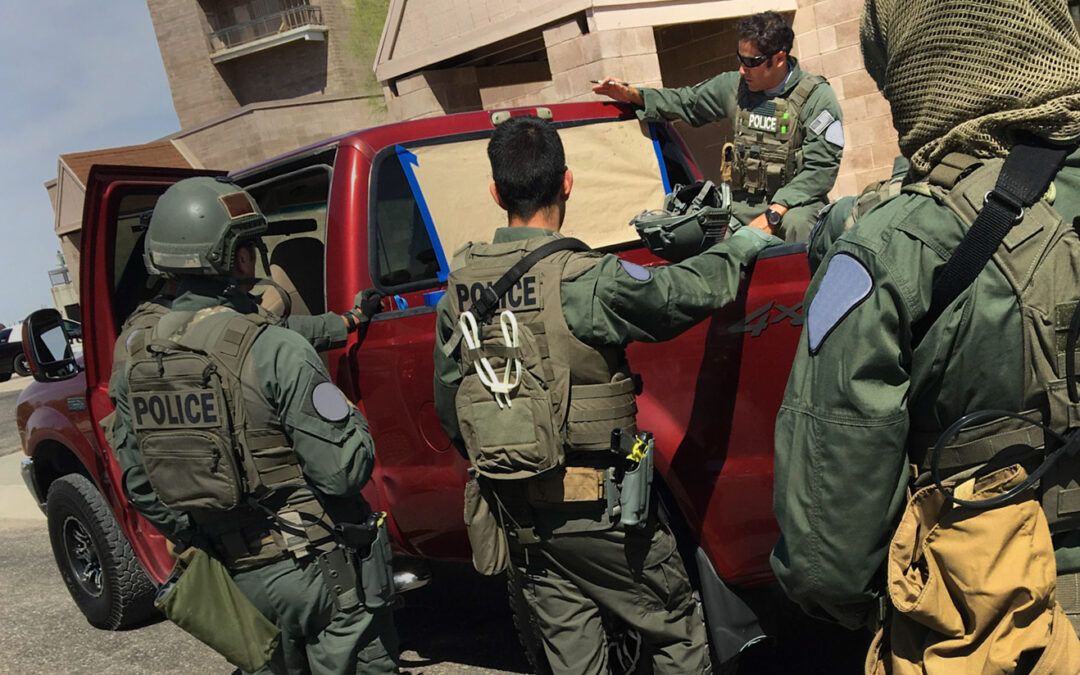
Leadership Vol. 2: Your (Shitty) Attitude is Contagious
You own the culture of your team.
There is more to leadership than rank or titles—and before you know it, you’re the guy or gal with just a few years on when you realize you’re not the rookie any more. We talk about capitalizing on good mentoring and working within your sphere of influence to build a foundation of resourcefulness that will keep you happy, your bosses happy, and set you up for success down the road and avoid toxic or cancerous working environments.
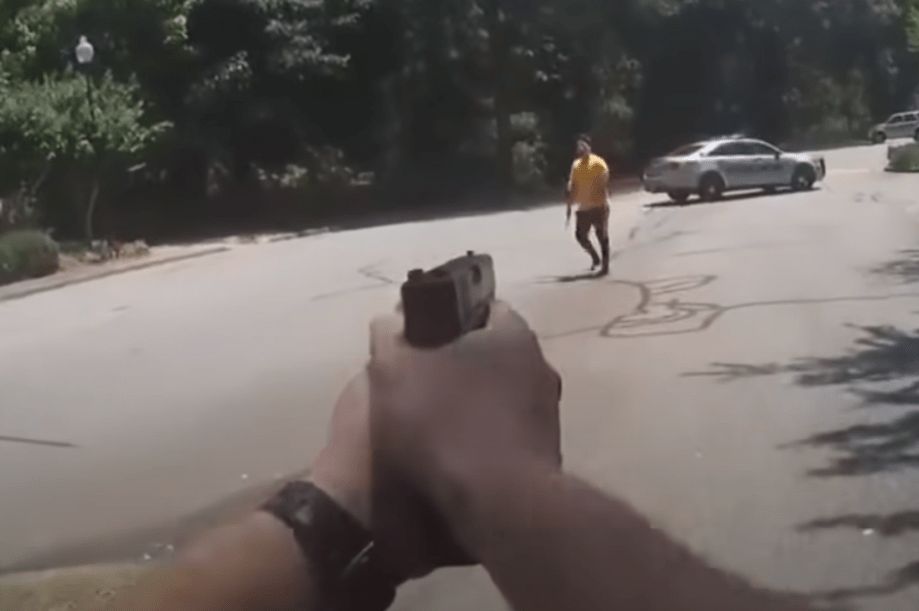
Short Talk: Killing People-Don’t Beat Around the Bush
A pet peeve of ours is when people talk about deadly force and say, “Do what you gotta do.” As instructors, using explicit language when teaching about lethal force is vital when there is a threshold that cannot be crossed. We have to help our students mentally prepare and morally reconcile lethal force so that they can be decisive when lives are at stake.
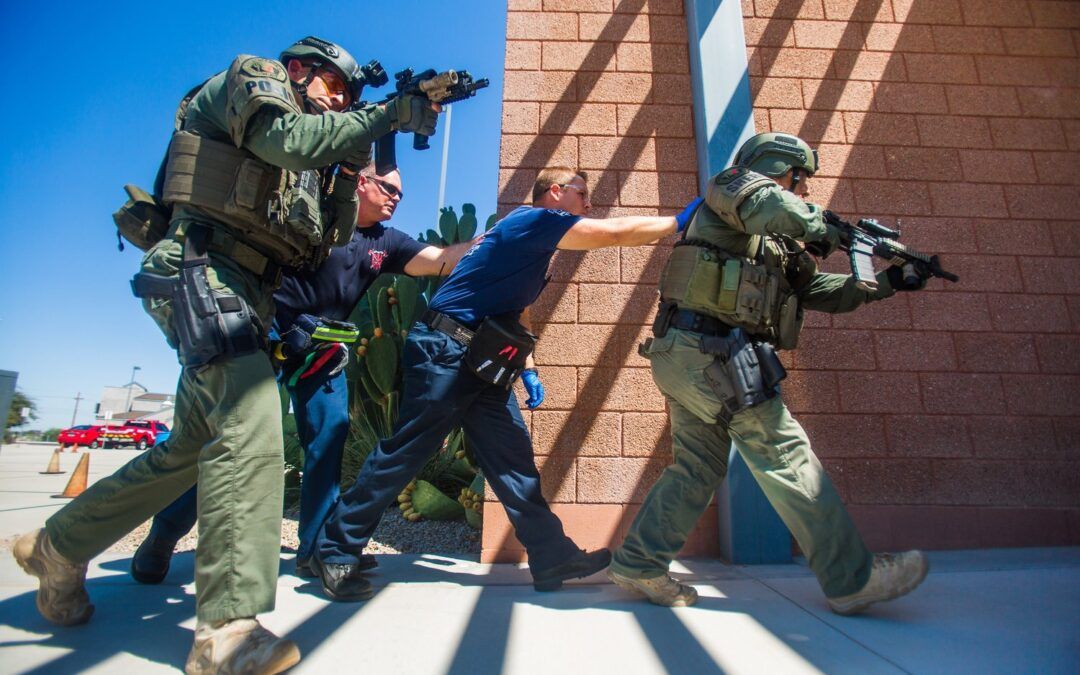
You can’t save them all: Dealing with mass casualty incidents
The medical treatment for trauma patients doesn’t change just because there are a lot of them. Managing large scenes is fundamentally a logistics problem and requires leadership, teamwork, and communication. We discuss ways you can learn to deal with triage, incident command, and scene management that doesn’t involve fancy medicine or bigger kits.
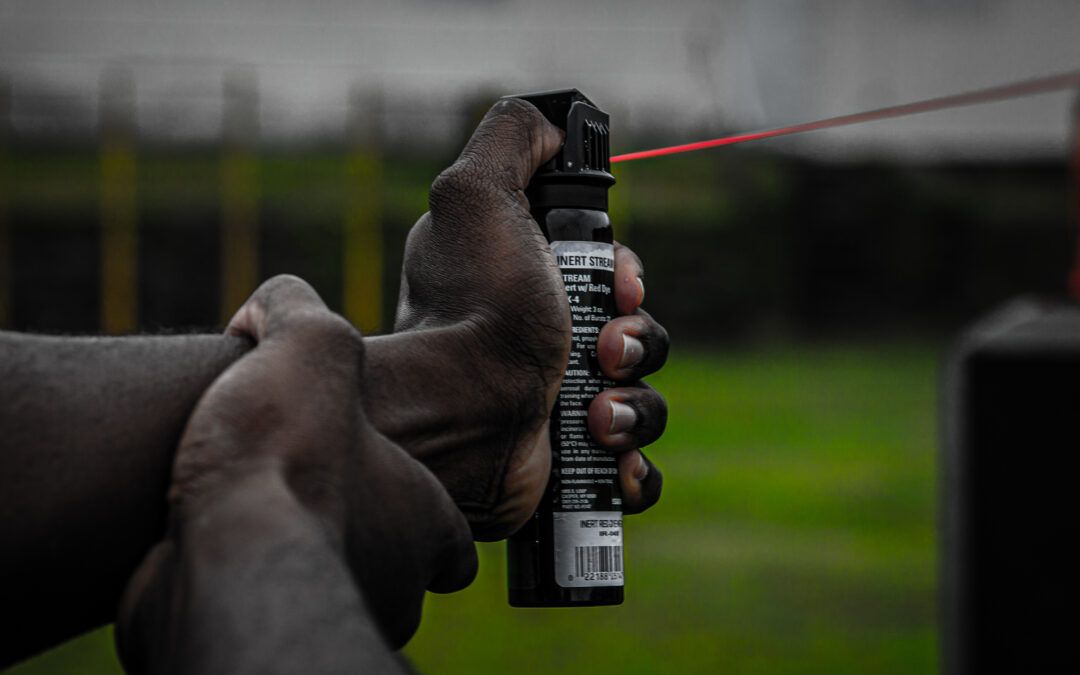
Short Talk: Less Lethal Training and Tools
In between a harsh word and hollow points we need a stepping stone of some kind, training or a tool for situations which lethal force isn’t called for. Mike and Jim talk advantages and disadvantages of OC Spray, Taser, and other less lethal tools.
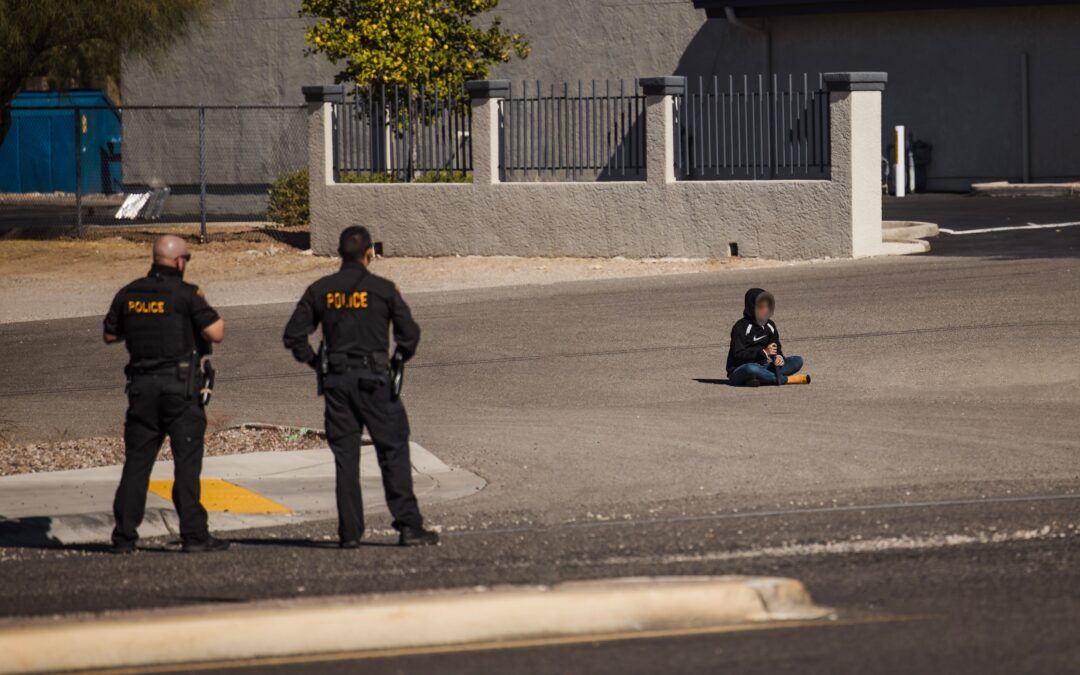
“Don’t Shoot The Hostage:” How to deal with a person in crisis
Mike and Jim condense a 40 hour week of crisis intervention training into an hour discussion about tactics, dos, and don’ts related to talking to and otherwise dealing with someone who is suicidal or in crisis.

Short Talk: Innovation in the Gun Industry—Shiny Objects and the Fundamentals
Fundamentals are final and the mission always drives the gear train, but the role of creativity still plays a huge role in the future of our industry and tactics. Imagine how much the game changed when night vision came out, or police officers got computers in their cars. It’s easy to get distracted by the solutions out there that lack a problem to fix, but it’s important to approach new ideas with an open mind because they might be one step closer to game changing technology.
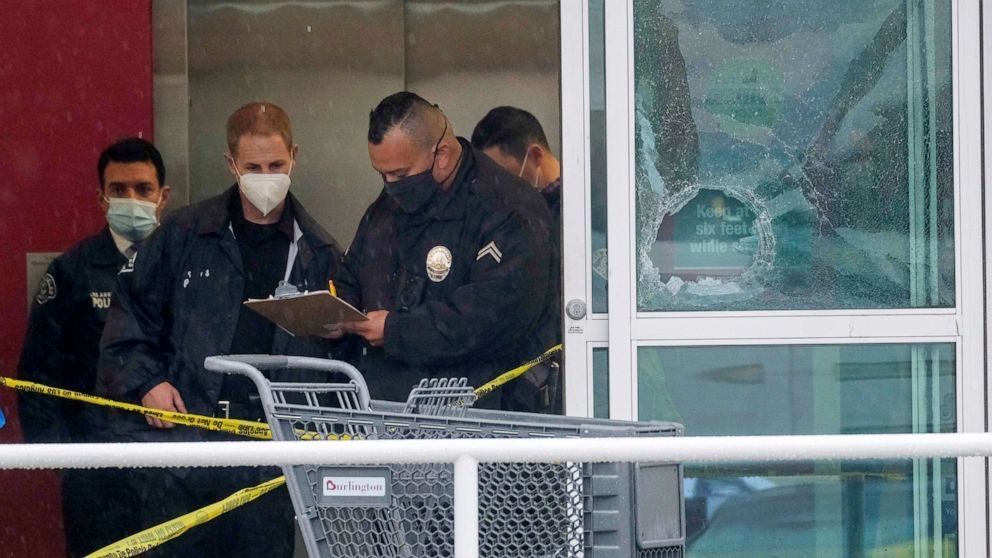
Short Talk: Bullet Accountability in Officer Involved Shootings
Mike talks about the role of proficiency and stress management in prevent bad outcomes if we miss when we get in a shooting. We briefly touch on using deliberate practice and discipline to make sure we get it right, because you never know when that day will come.
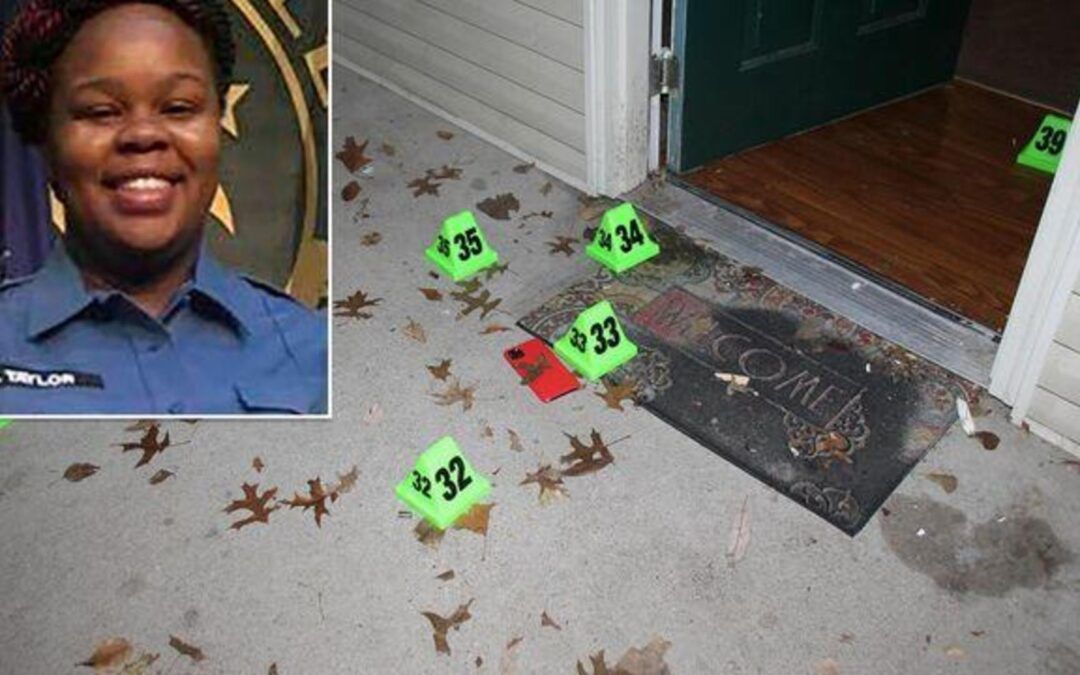
Both Sides of the Door – Breonna Taylor and Bad Outcomes
While it’s about the Breonna Taylor incident, we’re focusing on the tactical issues surrounding the actual warrant service that night, not the plethora of issues that led to it. Risk is always involved in serving a warrant, so how can it best be mitigated for all involved? Remember that having a warrant doesn’t make you any smarter or tactically proficient. The court just gave you permission; the skill department is all on you.
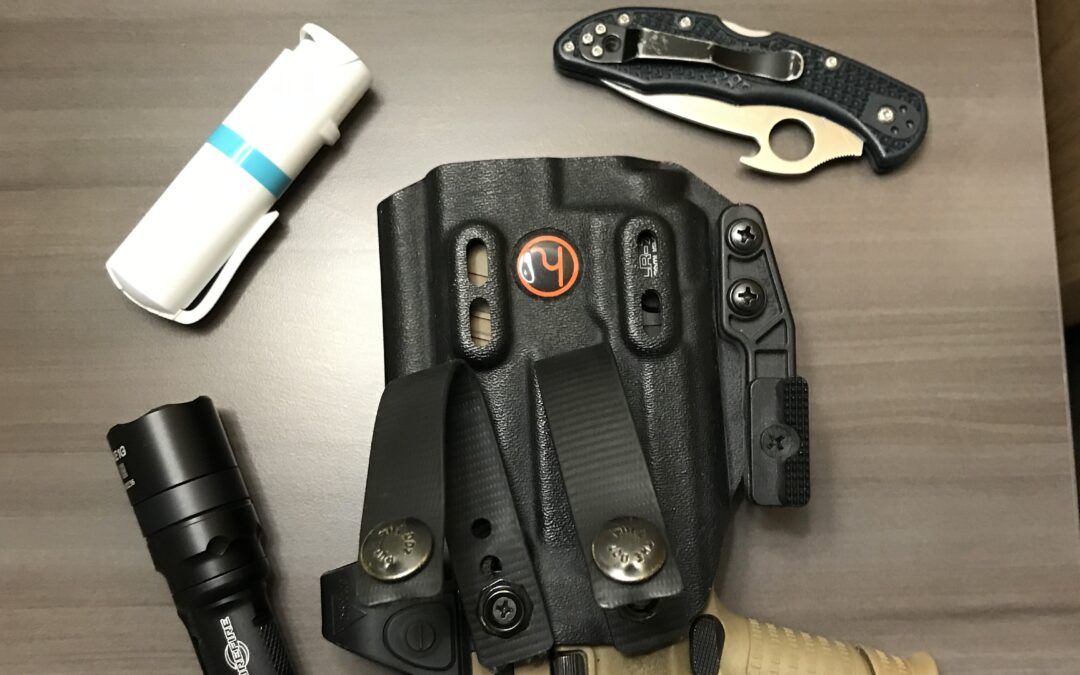
The Real Burdens of Everyday Carry
One of our favorite topics at Tactical Tangents is realistic risk management, and this applies in the personal world as well as the operational one. While “EDC” has turned into a marketing term for everything from watches to para cord bracelets, what do you really carry every day. Listen to this episode for a deep dive into the topic. Remember, millions of people go unstrapped yet remain unclapped every day.
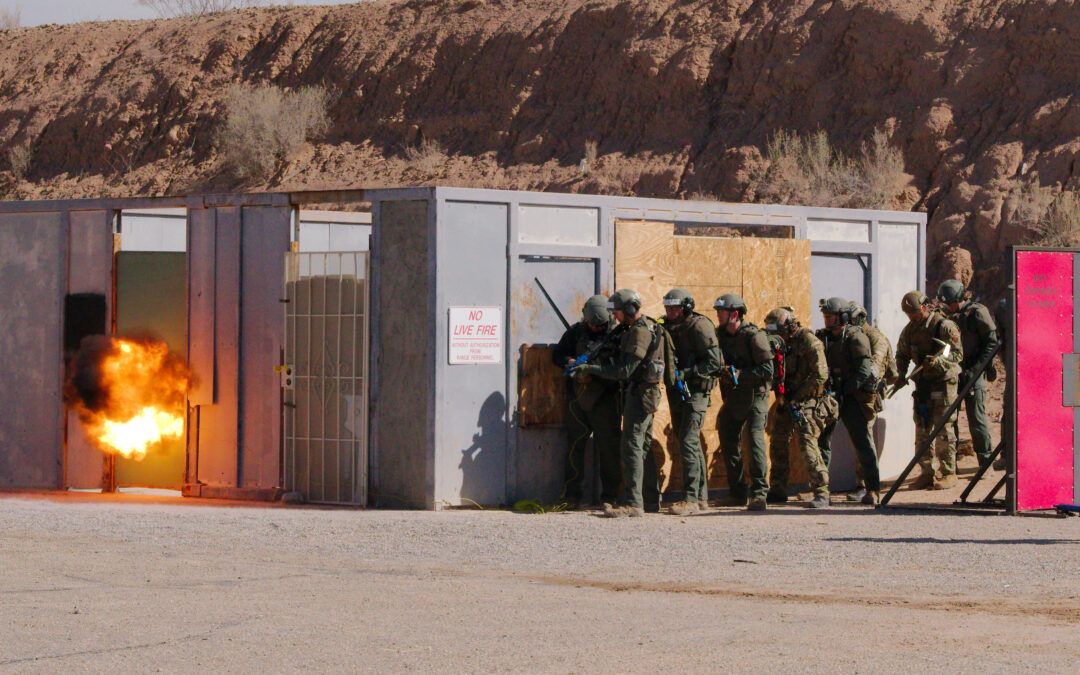
Problem Solving As A Team Sport
Institutional knowledge and memory are what gets used to solve problems, and that’s why it’s important for an organization to select compulsive problem-solvers as members. Everyone is going to bring their own viewpoint based on their specialty, but it’s important for them to know when the problem is outside of their specialty, as well as how they can contribute when it’s time to get…unconventional. Tune in to learn how to teach your team the difference.
Making Sure the Kids are Alright
It’s important to feel responsibility for, not just the organization, but also for the people who make it up. Those people include the newest noobs, and if you want to help the organization be effective, mentoring those recruits is essential. Mike and Jim are here to tell you that mentorship isn’t a thing that can be established in an org chart, but has to grow organically, and in this episode they’ll tell you how you can foster mentoring in a place where it can’t be foisted.

Having Public Affairs Without Screwing Up
Mike reminds us that “Responsibility to the Community” is not just a slogan on a squad car door in this episode, where he and Jim talk about the necessity of keeping the public informed in a manner that is both helpful to the public and not harmful to ongoing investigations. ”Public Affairs” is more than just a job title, and requires keeping in mind the emotions that surround complex situations.
No Results Found
The page you requested could not be found. Try refining your search, or use the navigation above to locate the post.
OODA LOOP
One of the popular models in tactical decision making is the OODA loop, which stands for Observe, Orient, Decide, Act. A lot of people tend to over-simplify this concept. They view it as a linear cycle, or a checklist–as if you move from one step to the other. It is a lot more complicated than that. Our individual orientation–which is a product of our identity, training, experience, and our moral compass–drives each step of the process. It controls not only what we see, but where we look. It controls not only what we decide, but provides us with an index of solutions. It describes a two-way interaction with our environment, and shows us that our adversaries have an Orientation, too.
Teamwork
If you look around any professional workplace, you will see several types of leaders–by that I don’t just mean differing leadership styles, although that is part of it–I am talking about the types of leaders in a group who make the difference between a “loose gaggle” and a high-performance team. This discussion is going to focus on the informal leaders–the unappointed low- or middle-man who makes a difference. A new or inexperienced member of the group might be the type of person who owns their mistakes, never makes excuses, and humbly accepts criticism. You might be asking yourself, doesn’t that just make them a good follower?
Burning Alive
If you read some of the news articles about the recent apartment fire in London, you’ll see quite a bit of commentary about the panic encountered by people trapped on the upper floors of the building. Similar to the attacks on 9/11, people can be seen in YouTube videos jumping out of windows from heights that would seemingly guarantee their death.