
THE PODCAST
Elevating the conversation about all things tactical.
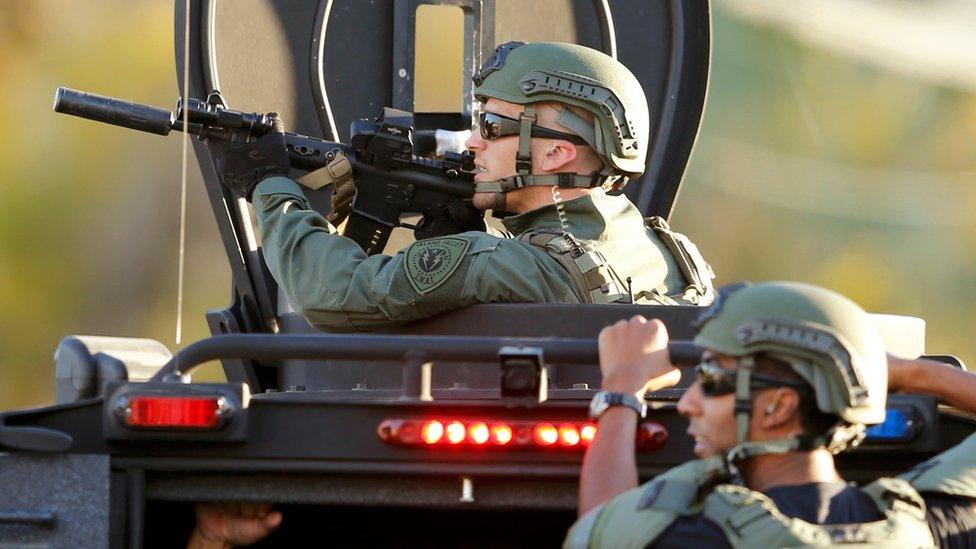
Who even are you? And why I don’t carry as often as I once did.
Mike breaks down why developing a broader, more balanced identity is not just a personal issue, but a professional one. From off-duty mindset to long-term career sustainability, this episode challenges officers to build self-awareness, detach ego from the role, and cultivate purpose beyond the job. Because at some point—whether by promotion, retirement, or circumstance—you won’t be “the cop” anymore, and what’s left needs to be enough.
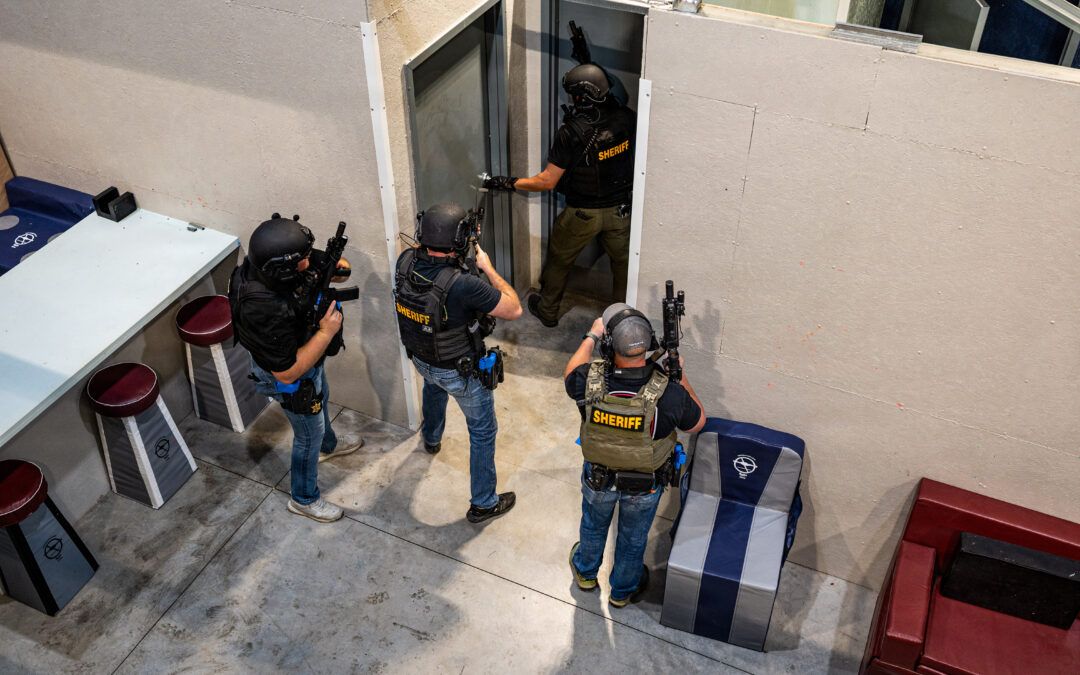
The best way to clear a house—CQB for Operators and Noobs
This episode explores the tradeoffs behind how we clear structures, why context matters, and what actually improves survivability when everything is working against you.

The Algorithm Isn’t the Boss-But It’s With Us in the Briefing Room
We focus on practical leadership considerations: when to trust automated tools, how to validate AI-generated information, and how organizations can integrate these technologies without surrendering judgment, sovereignty, or operational advantage. The ultimate goal is to help practitioners understand how AI changes the competitive landscape—and how professionals can adapt without becoming dependent on systems they don’t fully control.

Think Like an Architect: Systems Thinking for Warfighters & Cops
Mike and Jim break down systems thinking for tacticians — a practical way to understand how outcomes actually emerge inside military and law enforcement environments. Using real-world examples, they explore how feedback loops, incentives, and hidden dependencies shape everything from crime trends to operational tempo.

We Are Watching You – License Plate Readers and Modern Surveillance
The question isn’t whether the system exists — it’s whether it works for you, or on you.
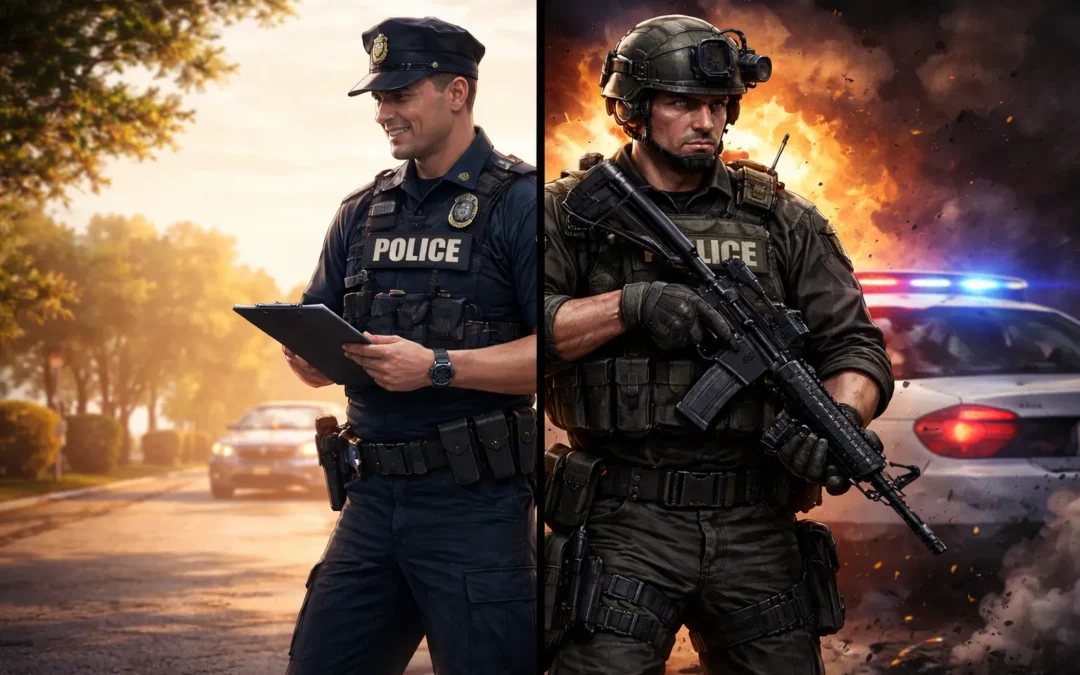
Guardians and Warriors: What type of Cop are you?
Let’s talk through common policing archetypes—Guardian, Warrior, Enforcer, Crime Fighter, Cynic, Power Seeker, and Pragmatist—not as fixed identities, but as adaptive responses to situational demands. The central argument is simple but challenging: effective policing requires the ability to shift modes deliberately. Leaders must know when to assert force, when to prioritize consent, and when to lean on others to stay grounded. This episode is a call for self-awareness, professional maturity, and dynamic leadership—not slogans, costumes, or rigid identities.

Don’t stand in front of cars! And other Pet Peeves
Mike talks about tensions such as balancing officer safety with legal justification, the false tradeoff between sound tactics and the pursuit of a “perfect” plan, and how communication quirks can undermine clarity under stress. The discussion also covers practical issues in arresting and searching people, along with how over-technical language or “sounding like a nerd” can erode rapport, credibility, and command presence in the field.

National Security Strategy Review
This episode focuses on helping listeners understand where tactical action fits inside national-level strategy. Jim breaks down key themes, regional priorities, and notable shifts in emphasis, then explains what those signals may mean for military professionals, law enforcement leaders, and anyone operating inside large institutions. The goal is not agreement or disagreement, but comprehension—because understanding the strategy is a prerequisite to operating effectively within it.

The Pen is Mightier Than The Sword… sometimes
This episode explores why communication is not a soft skill—but a core professional competency. Mike and Jim break down how narratives form, spread, and harden in high-stress environments, and why organizations that fail to tell their own story often lose control of it. From each of their own real-world experiences, they show how storytelling affects trust, cooperation, and institutional survival.

Closing the Gaps: Building Competence in High Performing-Teams
In high-stakes professions, the things you don’t see can hurt you. In this episode, Mike and Jim break down how gaps and blind spots develop in training, operations, and leadership—often without anyone realizing it. They dive into cognitive load, skill decay, mismatched expectations, and why even good training pipelines struggle to produce consistent results.

Do You Trust Me? Credibility is Currency
Leadership isn’t just about direction—it’s about belief. In this episode, Mike and Jim unpack how credibility shapes a leader’s ability to influence decisions, maintain team cohesion, and drive mission success. Drawing from research, philosophy, and operational experience, they outline the behaviors that strengthen trust and the missteps that erode it.
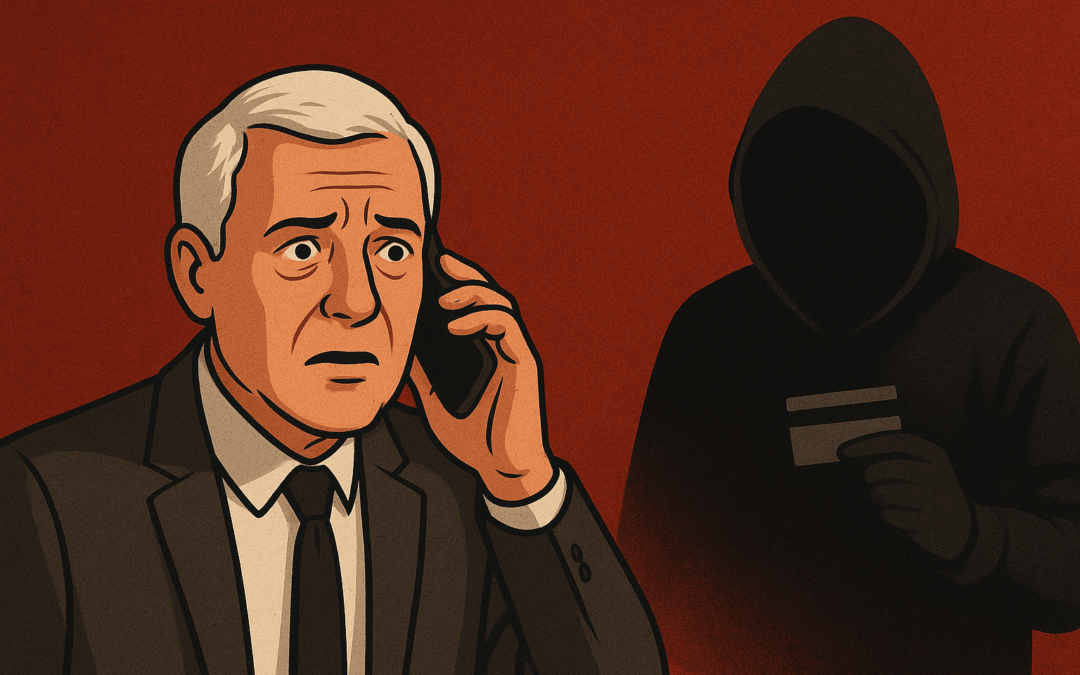
Protecting your Parents: Fraud and Scams
Mike and Jim connect personal stories of financial loss and embarrassment to the broader professional lessons of threat assessment and emotional control. Whether you’re protecting your organization or your family, the same principles apply: slow down, verify, and think critically. Awareness is good—but deliberate, practiced skepticism is better.
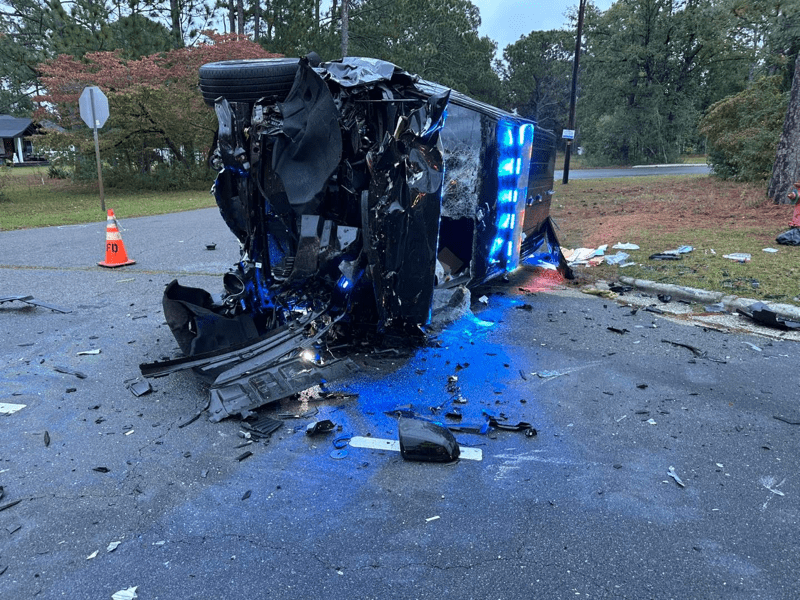
To Chase or Not to Chase: Are the Risks of a Pursuit Worth It?
Police pursuits remain one of the most dangerous and controversial aspects of law enforcement work. This episode examines the data, decision-making, and policy implications surrounding vehicle chases — from the moment the lights come on to the moment a supervisor calls it off. Mike and Jim discuss pursuit criteria, liability, follow-up tactics, and leadership under pressure, connecting lessons learned in the field to the broader goals of risk management and public safety.
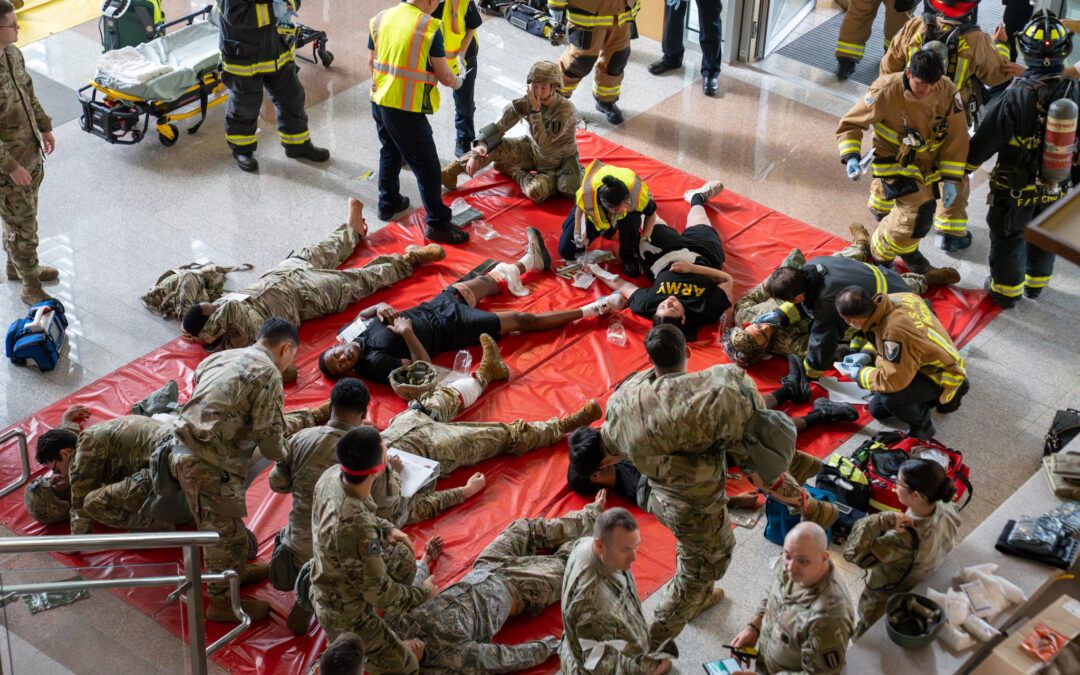
“Don’t drop the airplane to fly the radio”: Managing Bandwidth
In a crisis, you can’t save everyone—you have to triage. The same is true in life. In this episode, Jim and Mike unpack the idea of bandwidth: how much you can actually handle before performance starts to break down.
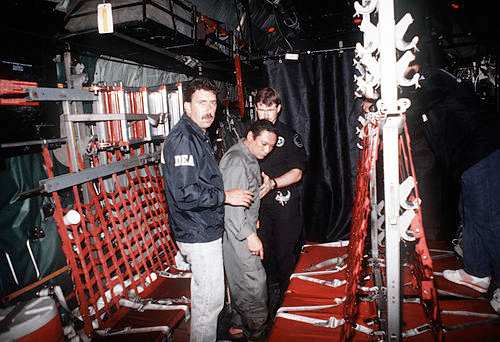
When the US invaded Panama: Operation JUST CAUSE and the War on Drugs
On this episode, we revisit the operation’s planning and execution: Army Rangers seizing airfields under fire, Navy SEALs targeting escape craft, the rescue of Kurt Muse by Little Birds, and the debut of the F-117 stealth fighter.
Fighting at Night
With some reasonable preparation, proportional to your personal risk of having to fight at night — you can use the darkness to gain and maintain gross overmatch. Start by sorting out your own personal risk, which should drive your investment in training and equipment. Consider both technical and non-technical ways you can improve your ability to see and screw with your adversary’s ability to see.
How to Handle a Traffic Stop
Traffic stops are dangerous and unpleasant. A lot of forces converge to make traffic stops dangerous: cops get killed on traffic stops, so they are anxious about them, some communities feel unfairly targeted and perceive a risk from the police, and everyone is at risk to distracted and drunk motorists passing by the stop. No one likes being pulled over, especially if they don’t trust the police. There has to be something we can do to make this whole thing safer and easier for everyone
These aren’t my pants…
The subtle, contextual cues that guide our instincts are often tough to put our finger on, but they are also the reason we might approach one person or situation differently than another. The last thing we want to do is leave those decisions up to someone else’s interpretation. It is difficult to teach what stress, deception, and threatening body language look like in training.
Spheres of Influence
SPHERES OF INFLUENCEI was at an instructor conference last week and it occurred to me that police...
Backup Guns, Yay or Nay?
BACKUP GUNS: YAY OR NAY?Back in the day, I carried a secondary gun at work because, well, I guess...
Mantis: Data-Driven Shooting
MANTIS: IMPROVING YOUR SHOOTING WITH DATAWe are excited to announce our new sponsor, Mantis. The...
The Glance is the Beep
"THE GLANCE IS THE BEEP"I want to convey a great teaching point that I learned from John Correia...
Use of Force in Self Defense
USE OF FORCE IN SELF DEFENSETrying out a new format for the bulletin, we need your feedback! Leave...