
EPISODE 203
We Are Watching You:
License Plate Readers and Modern Surveillance
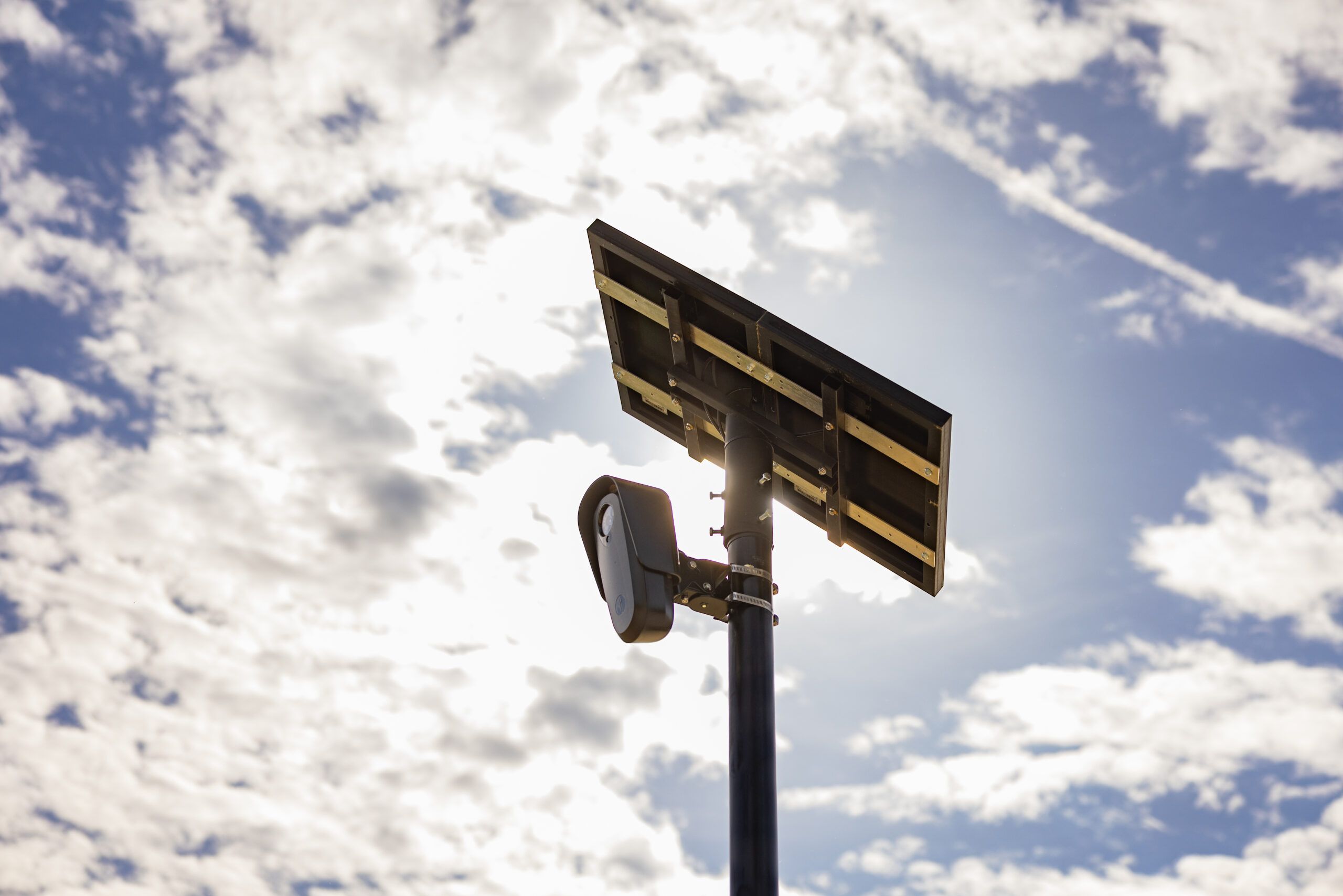
We dive into the real-world implications of living in a sensor-saturated society. From ALPR and private-sector camera networks to open-source data and pattern analysis, modern surveillance isn’t just a policy debate — it’s a tactical environment. We unpack how integrated surveillance systems create unprecedented investigative power while simultaneously introducing new vulnerabilities for police, military professionals, and everyday citizens.
The conversation moves beyond headlines to explore the operational reality: how patterns are built, how they’re exploited, and how tacticians can leverage these tools while denying the same advantages to their adversaries. Along the way, we tackle the enduring tension between liberty and security, drawing on insights from history and reminding us that while the technology is new, the dilemma is not. If surveillance is the new terrain, understanding it isn’t optional.
The question isn’t whether the system exists — it’s whether it works for you, or on you.
Like what we’re doing? Head over to Patreon and give us a buck for each new episode. You can also make a one-time contribution at GoFundMe.
Intro music credit Bensound.com
Photo Credit: Flock Safety
CLICK BELOW TO SUBSCRIBE NOW ON YOUR FAVORITE PLAYER






THANK YOU TO OUR SPONSORS! PLEASE GO CHECK THEM OUT




Recent Episodes
Who even are you? And why I don’t carry as often as I once did.
Mike breaks down why developing a broader, more balanced identity is not just a personal issue, but a professional one. From off-duty mindset to long-term career sustainability, this episode challenges officers to build self-awareness, detach ego from the role, and cultivate purpose beyond the job. Because at some point—whether by promotion, retirement, or circumstance—you won’t be “the cop” anymore, and what’s left needs to be enough.
The best way to clear a house—CQB for Operators and Noobs
This episode explores the tradeoffs behind how we clear structures, why context matters, and what actually improves survivability when everything is working against you.