
EPISODE 204
Think Like an Architect:
Systems Thinking for Warfighters & Cops

In complex environments, effort alone doesn’t equal results. Whether you’re in uniform or behind a badge, you face the same reality: limited resources, adaptive adversaries, and problems that refuse to stay solved. The difference between activity and impact often comes down to how you see the fight.
Mike and Jim break down systems thinking for tacticians — a practical way to understand how outcomes actually emerge inside military and law enforcement environments. Using real-world examples, they explore how feedback loops, incentives, and hidden dependencies shape everything from crime trends to operational tempo.
Links:
https://sdm.mit.edu/a-systems-analysis-of-tactical-intelligence-in-the-us-army/
The Enemy as a System by John Warden
https://www.airuniversity.af.edu/Portals/10/ASPJ/journals/Volume-09_Issue-1-Se/1995_Vol9_No1.pdf
The Air Campaign: Planning For Combat by John Warden
Winning in FastTime: Harness the Competitive Advantage of Prometheus in Business and Life – by John Warden
John Boyd and John Warden: Air Power’s Quest for Strategic Paralysis
The Five-Ring Circus: How Airpower Enthusiasts Forgot About Interdiction by Mike Pietrucha
Like what we’re doing? Head over to Patreon and give us a buck for each new episode. You can also make a one-time contribution at GoFundMe.
Intro music credit Bensound.com
CLICK BELOW TO SUBSCRIBE NOW ON YOUR FAVORITE PLAYER






THANK YOU TO OUR SPONSORS! PLEASE GO CHECK THEM OUT




Recent Episodes
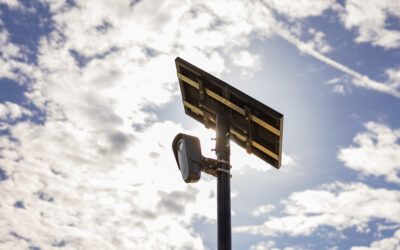
We Are Watching You – License Plate Readers and Modern Surveillance
The question isn’t whether the system exists — it’s whether it works for you, or on you.

Guardians and Warriors: What type of Cop are you?
Let’s talk through common policing archetypes—Guardian, Warrior, Enforcer, Crime Fighter, Cynic, Power Seeker, and Pragmatist—not as fixed identities, but as adaptive responses to situational demands. The central argument is simple but challenging: effective policing requires the ability to shift modes deliberately. Leaders must know when to assert force, when to prioritize consent, and when to lean on others to stay grounded. This episode is a call for self-awareness, professional maturity, and dynamic leadership—not slogans, costumes, or rigid identities.