
Short talk
Growing into solving problems
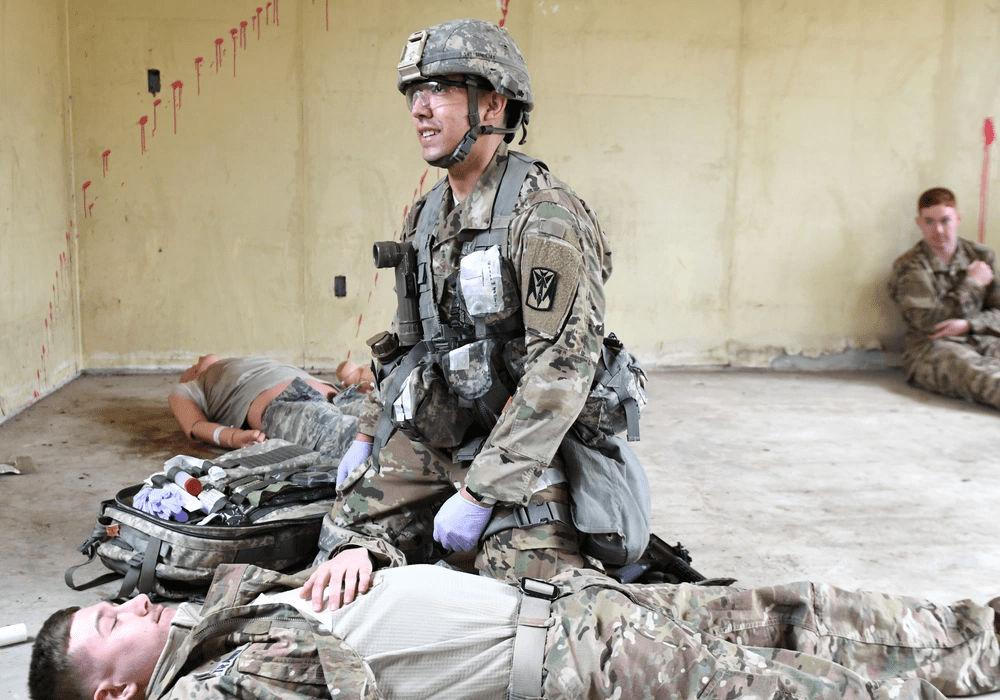
For a person in a first responder line of work, being caught with an inadequate skill toolset in a critical incident can lead to the sort of feelings of helplessness that are a greased rail to PTSD-land. In this short episode, Mike talks through some ways to preemptively head off those bad feelings with good preparation.
Unlike the fixed mindset in which you’re dropped onto the planet as either Someone Who Can or Someone Who Can’t based on some immutable set of skills, a growth mindset is one in which you see yourself as an active participant, learning from each experience to better deal with the next one. Mike explains why one of these is not only better for dealing with the incident, but also dealing with the aftermath.
Like what we’re doing? Head over to Patreon and give us a buck for each new episode. You can also make a one-time contribution at GoFundMe.
Intro music credit Bensound.com
CLICK BELOW TO SUBSCRIBE NOW ON YOUR FAVORITE PLAYER






THANKs to our sponsor
pLEASE GO CHECK THEM OUT

Recent Episodes

The best way to clear a house—CQB for Operators and Noobs
This episode explores the tradeoffs behind how we clear structures, why context matters, and what actually improves survivability when everything is working against you.

The Algorithm Isn’t the Boss-But It’s With Us in the Briefing Room
We focus on practical leadership considerations: when to trust automated tools, how to validate AI-generated information, and how organizations can integrate these technologies without surrendering judgment, sovereignty, or operational advantage. The ultimate goal is to help practitioners understand how AI changes the competitive landscape—and how professionals can adapt without becoming dependent on systems they don’t fully control.