
EPISODE 133
There’s nothing “friendly”
about “friendly Fire”
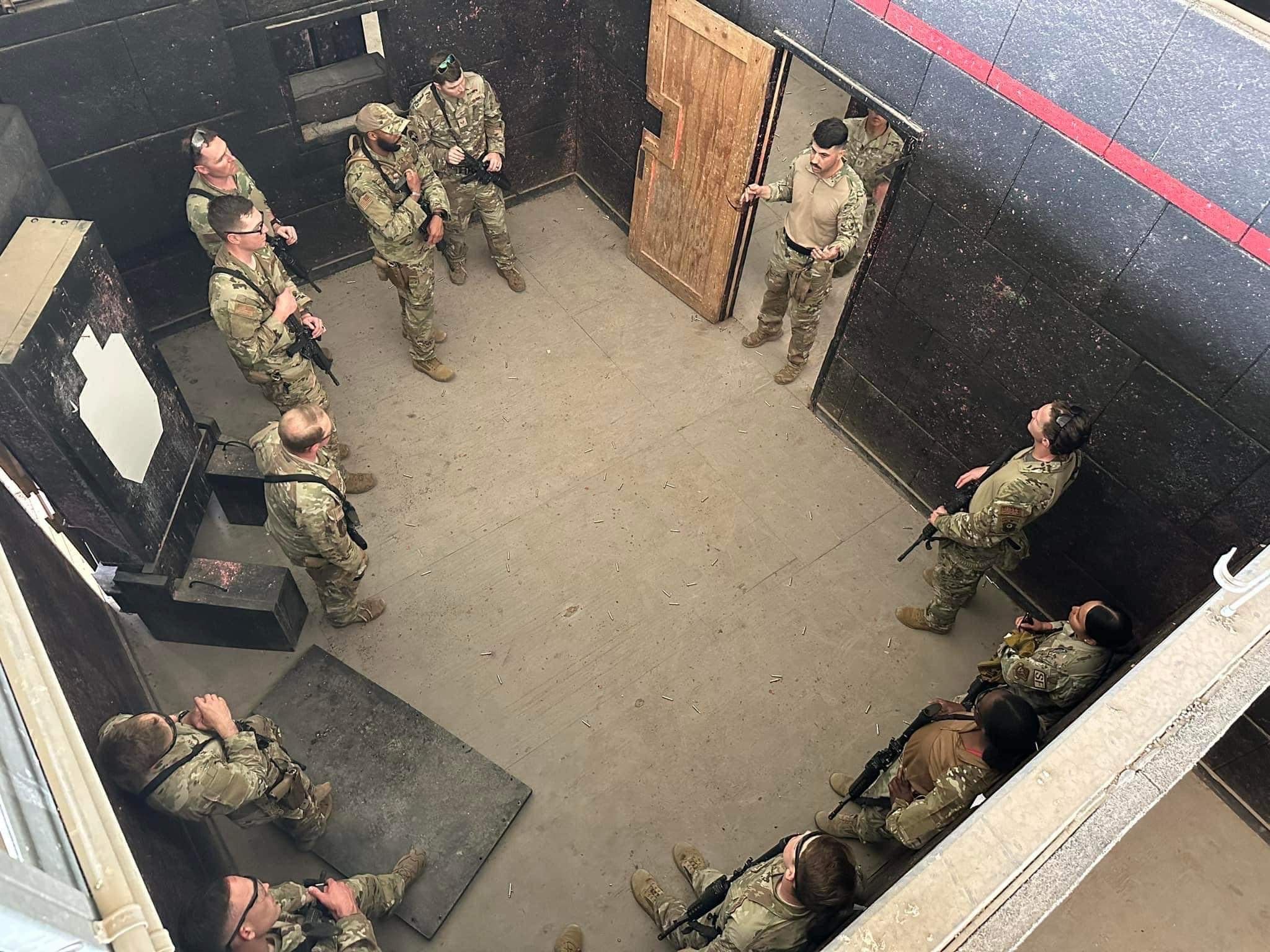
The only thing more frightening than being shot at by your own team is finding out you just shot up your own team. The very idea of fratricide…aka “Blue-on-Blue” incidents…is scary, but being a professional means you can’t just be scared, you have to work on your skills and knowledge to counter the possibility of it happening to you or because of you. In this episode, Jim and Mike discuss just that.
Whether it’s a pair of USAF F-15’s mistaking American Blackhawks for Iraqi Hind gunships, a police officer not briefed to look for the undercover cop at the buy/bust, or a private citizen failing to positively identify an “intruder” and shooting a loved one, these are all preventable failures. We know that fog and friction make it harder to be aware of the environment and cause simple tasks to become more difficult, so how do we mitigate these factors and prevent “own goals”? Listen to this episode to find out.
Reading:
A Chain of Events by Joan Piper
Vignettes:
Tarnak Farm Incident
Albuquerque undercover officer shot by LT: Police 1 Article – Update on Officer – YouTube Video
NYPD Incident
Providence Training Fatality
Robin Sage Training Fatality
Like what we’re doing? Head over to Patreon and give us a buck for each new episode. You can also make a one-time contribution at GoFundMe.
Intro music credit Bensound.com
CLICK BELOW TO SUBSCRIBE NOW ON YOUR FAVORITE PLAYER






THANK YOU TO OUR SPONSORS! PLEASE GO CHECK THEM OUT





Recent Episodes

The best way to clear a house—CQB for Operators and Noobs
This episode explores the tradeoffs behind how we clear structures, why context matters, and what actually improves survivability when everything is working against you.
The Algorithm Isn’t the Boss-But It’s With Us in the Briefing Room
We focus on practical leadership considerations: when to trust automated tools, how to validate AI-generated information, and how organizations can integrate these technologies without surrendering judgment, sovereignty, or operational advantage. The ultimate goal is to help practitioners understand how AI changes the competitive landscape—and how professionals can adapt without becoming dependent on systems they don’t fully control.