
EPISODE 119
Instant expertise
(just add experience)
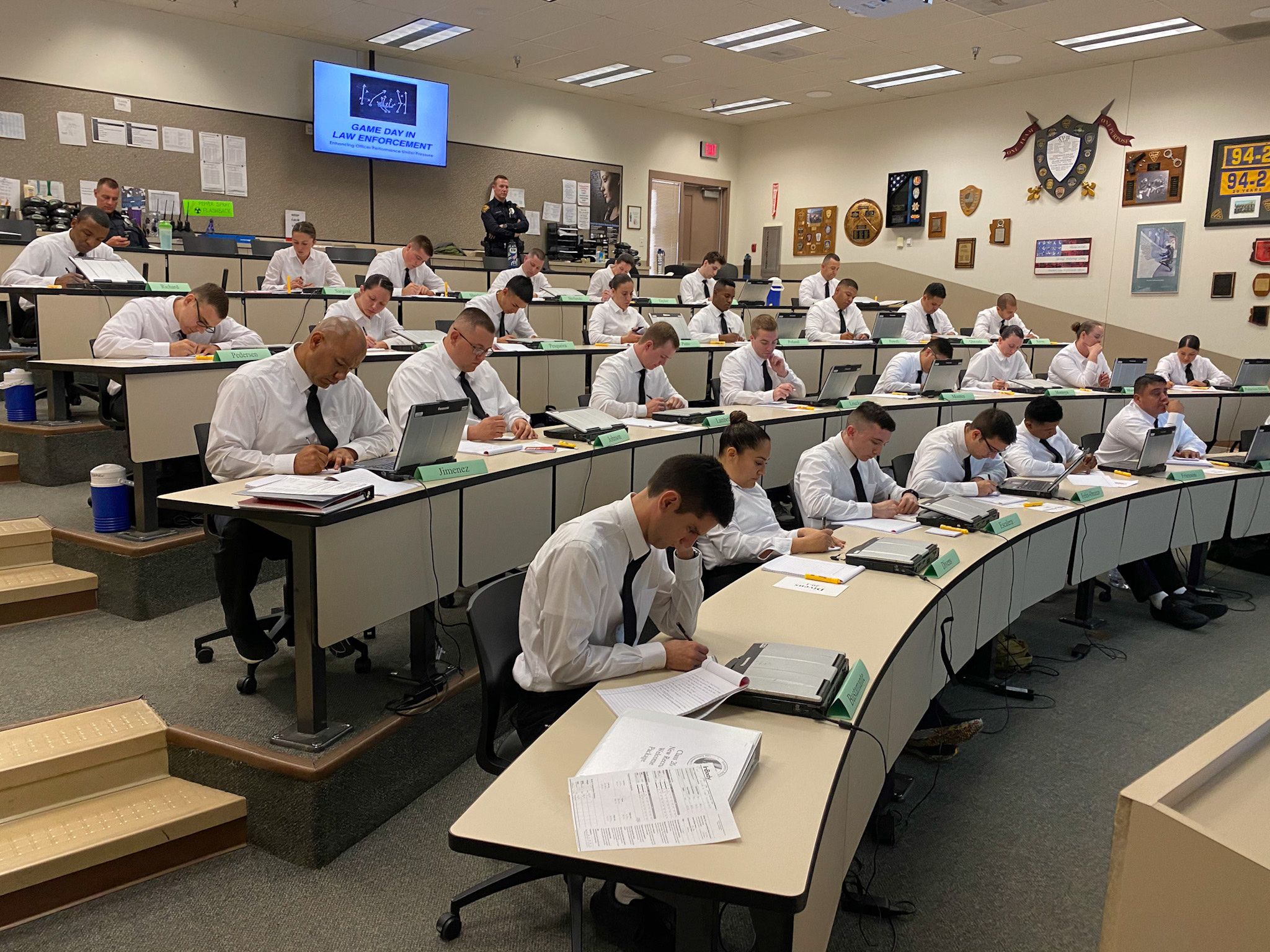
It’s easy to find yourself thrust into a position where others regard you as an ”expert”, but what really constitutes expertise? Do you have it? Can it be acquired? When will you feel like you have it? (And why feeling like an expert should be a warning sign…)
What makes an expert? Are you one? Do your friends or your employer consider you one? How does one go about seeking expertise? Relatedly, it’s a big and confusing internet out there and every day you are confronted with people who claim to be experts. Jim and Mike have some tips for separating the expert wheat from the poser chaff, especially when that purported expert is in the mirror.
Links:
Talent is Overrated by Geoff Colvin
The Talent Code by Daniel Coyle
The Culture Code: The Secrets of Highly Successful Groups by Daniel Coyle
The Art of Learning: An Inner Journey to Optimal Performance by Josh Waitzkin
Research study
How We Decide by Jonah Lehrer
The Invisible Gorilla: How our Intuitions Deceive Us by Christopher Chabris and Daniel Simmons
From Beginner to Expert by Patricia Benner
Like what we’re doing? Head over to Patreon and give us a buck for each new episode. You can also make a one-time contribution at GoFundMe.
Intro music credit Bensound.com
CLICK BELOW TO SUBSCRIBE NOW ON YOUR FAVORITE PLAYER






THANK YOU TO OUR SPONSORS! PLEASE GO CHECK THEM OUT





Recent Episodes

The best way to clear a house—CQB for Operators and Noobs
This episode explores the tradeoffs behind how we clear structures, why context matters, and what actually improves survivability when everything is working against you.

The Algorithm Isn’t the Boss-But It’s With Us in the Briefing Room
We focus on practical leadership considerations: when to trust automated tools, how to validate AI-generated information, and how organizations can integrate these technologies without surrendering judgment, sovereignty, or operational advantage. The ultimate goal is to help practitioners understand how AI changes the competitive landscape—and how professionals can adapt without becoming dependent on systems they don’t fully control.