
EPISODE 173
Dancing With Exotic Weapons
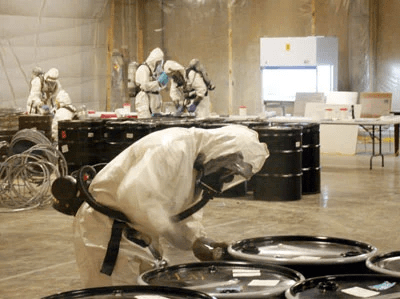
Mike and Jim discuss how to handle CBRN- Chem, Bio, Rad, Nuke threats and how to set your preparedness to the current threat landscape with synthetic bio-terror weapons on the rise.
Find us on social media (Facebook/Twitter/Instagram/YouTube) @TacTangents. You can join the conversation in our Facebook Discussion Group.
Find all of our episodes, articles, some reading list ideas, and more on our website www.tacticaltangents.com
Like what we’re doing? Head over to Patreon and give us a buck for each new episode. You can also make a one-time contribution at GoFundMe.
Intro music credit Bensound.com
Summary:
In this episode, Mike and Jim tackle one of the most complex challenges in modern preparedness: effectively addressing chemical, biological, radiological, and nuclear (CBRN) threats. With the increasing sophistication of synthetic bioterror weapons and evolving global threats, understanding how to adapt readiness strategies is more critical than ever.
The discussion covers actionable steps to evaluate and enhance preparedness, insights into emerging CBRN risks, and the importance of aligning training and resources with the current threat environment. Whether you’re in emergency management, military operations, or public health, this episode offers essential strategies to help you stay ahead of these high-stakes threats.
Prepare to rethink how you approach CBRN readiness in an unpredictable world.
CLICK BELOW TO SUBSCRIBE NOW ON YOUR FAVORITE PLAYER






THANK YOU TO OUR SPONSORS! PLEASE GO CHECK THEM OUT




Recent Episodes
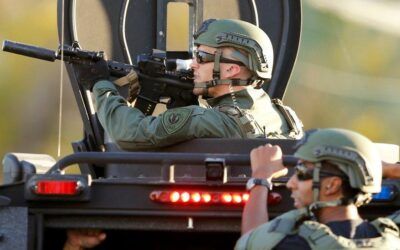
Who even are you? And why I don’t carry as often as I once did.
Mike breaks down why developing a broader, more balanced identity is not just a personal issue, but a professional one. From off-duty mindset to long-term career sustainability, this episode challenges officers to build self-awareness, detach ego from the role, and cultivate purpose beyond the job. Because at some point—whether by promotion, retirement, or circumstance—you won’t be “the cop” anymore, and what’s left needs to be enough.
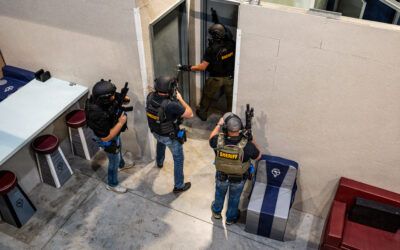
The best way to clear a house—CQB for Operators and Noobs
This episode explores the tradeoffs behind how we clear structures, why context matters, and what actually improves survivability when everything is working against you.