
Teamwork
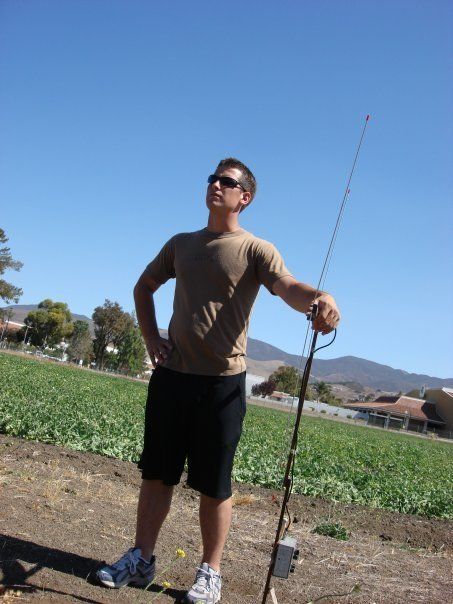
Mike Doyle
Founder
Mike is a full-time police officer and tactical medic. He currently works as a K9 handler, SWAT team member, and Police Trainer. Mike started Tactical Tangents as part of his fundamental purpose to save lives. His goal is to enhance the survival of police officers and concerned citizens by helping them become better, smarter, faster, and more efficient. His opinions are for informational purposes only and do not reflect those of his employer or any other government agency.
No-Knock Search Warrants
NO-KNOCK SEARCH WARRANTS Police officers will sometimes ask a magistrate for permission to serve a warrant unannounced, which often involves the forcible entry into a home during a criminal investigation. The judge has to allow a special exception to normal...
Trauma Updates 2018
2018 SOUTHWEST TRAUMA CONFERENCE I spent the last couple days at the Southwest Regional Trauma Conference and wanted to share a few notes. The conference chairman is Dr. Andy Tang, the Trauma Director of Banner UMC in Tucson, who we interviewed on the podcast a little...
Andy Brown, Warnings Unheeded
We interviewed Andy Brown, the author of Warnings Unheeded, to discuss his role in stopping an active shooter with an AK47 by shooting him in the head from 68 yards away with his pistol. We cover the things that he credits with his success that day including dry fire practice, mental rehearsals, and personal responsibility, as well as the pre-attack indicators that several people observed before the attack. We also discuss a notorious B-52 crash that happened in preparation for an airshow at Fairchild shortly after.
Who are the people in your group who make the difference between a “loose gaggle” and a high-performance team? Today we want to give a high-five and a handshake to the informal leaders—the unappointed low- or middle-man who owns their mistakes, never makes excuses, and humbly accepts criticism. You might be asking yourself, doesn’t that just make them a good follower? And the answer is no.
Leadership is all about influence, confidence, and cooperation. Leadership is the quality that makes elite teams better than teams that are just OK. The first thing we need to understand about cohesive groups is that being a team player doesn’t necessarily mean being the strongest jock who can carry all of the weight—that guy is not going to make it to the end-zone if the rest of us don’t enable him to get there. Teamwork is about understanding and carrying your share of the work—know your job, and do it well, because the efforts of every team member affect the final output. Teamwork means recognizing that everyone has something to bring to the table. Teamwork also means knowing your buddy’s job so you can anticipate his or her needs. And if you see your bosses as members of the team (which you should) that means deciding when to go with the flow and when to speak up and give your input. Even the new guy can affect the team’s performance by setting the standard for the group and not being someone to worry about. A good team becomes great when everyone leads, everyone takes pride and ownership in the output, and everyone is held accountable.
High-performance teams still have people in charge. The bosses are the figurehead—they are responsible for running interference, looking forward and outward, and having a vision for the future. An effective commander handles his or her share of the work by trusting and empowering the other leaders in the team to get the smaller-scale, more immediate tasks done, all the way down to the lowest ranking guy or gal in the pack who understands his role, and can be trusted with that role—whatever it may be. The person in charge has a plan and calls the shots, but good subordinate leaders know when to stay on task and when to make adjustments on their own initiative. Good bosses know to trust, encourage, and most importantly—support—those adjustments.
Human dynamics are not perfect. You are going to find that some leaders are better than others, and sometimes the people in charge are not the best pick. Politics and bureaucracy will always create interference—but if you look around, you’ll be surprised to find that effective, informal leaders always find a way to navigate those obstacles. The ones who carry their weight, don’t make excuses, and gain your confidence—those are the ones you want to watch for. Those are the ones you want to emulate. Be that guy. If you want to read more about teamwork, check out a post we did a while back here.
0 Comments