
EPISODE 72
Fight or Flight, Fear, and Muscle Memory, with NeuroScientist Dr. Vivian

Vivian has a PhD in neuroscience and explains the realities of a sympathetic nervous response.
While you don’t need to deep dive all of the science here, you do need to understand the tactical implications of a fight or flight response as it relates to training, perception, memory, and attention. Mike and Vivian discuss muscle memory, building good habits, perceptual distortions, and ways to enhance our performance under stress.
Further reading on Perceptual Distortions in Lethal Force Encounters
RAND Paper on Enhancing Human Performance Under Stress
Like what we’re doing? Head over to Patreon and give us a buck for each new episode. You can also make a one-time contribution at GoFundMe.
Intro music credit Bensound.com
CLICK BELOW TO SUBSCRIBE NOW ON YOUR FAVORITE PLAYER






THANK YOU TO OUR SPONSORS! PLEASE GO CHECK THEM OUT




Recent Episodes
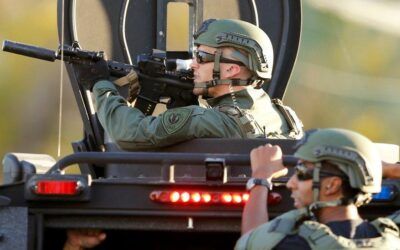
Who even are you? And why I don’t carry as often as I once did.
Mike breaks down why developing a broader, more balanced identity is not just a personal issue, but a professional one. From off-duty mindset to long-term career sustainability, this episode challenges officers to build self-awareness, detach ego from the role, and cultivate purpose beyond the job. Because at some point—whether by promotion, retirement, or circumstance—you won’t be “the cop” anymore, and what’s left needs to be enough.
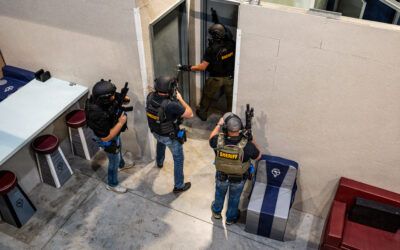
The best way to clear a house—CQB for Operators and Noobs
This episode explores the tradeoffs behind how we clear structures, why context matters, and what actually improves survivability when everything is working against you.
0 Comments