
EPISODE 152
Do you trust me?
Selflessness in Teamwork
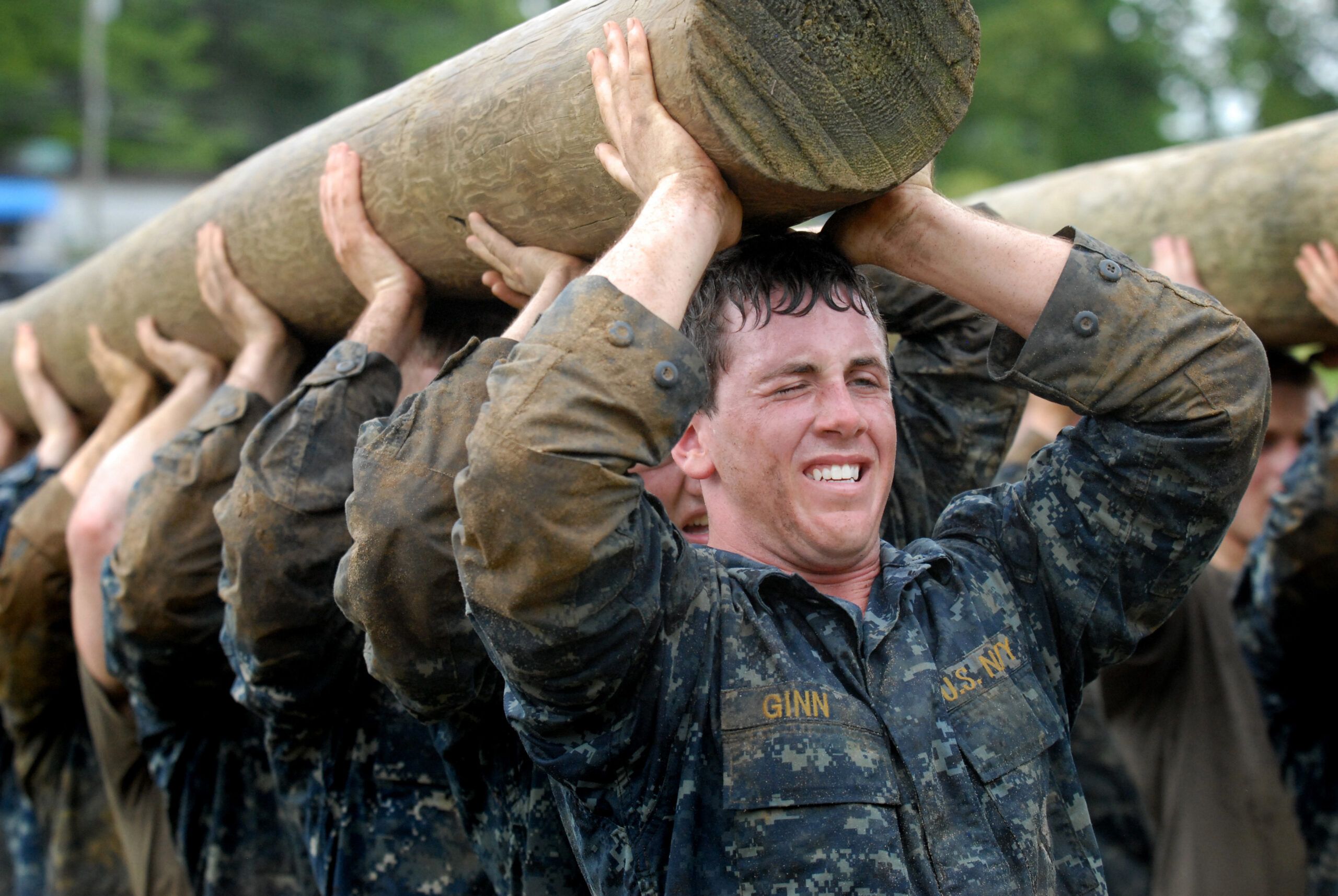
We say that we should put Service before Self, but it’s more than just a mantra. Where the rubber meets the road is all in how we develop implicit trust among teammates so that we know where each other is going to be and what they are going to do when the going gets tough. We can accomplish this with the intentional application of Standards, Contracts, and good Debriefs.
It’s one thing that we all get along, but real trust isn’t something that can be assumed as a given–we’ve got to earn it. Building trust in teams has a lot to do with the often unwritten social contracts that help us get on the same page about our roles and responsibilities. We have to know that everyone is going to put the mission before their own personal interests to really build harmony and a combined effort that is greater than than the sum of its individual parts.
Find us on social media (Facebook/Twitter/Instagram/YouTube) @TacTangents
You can join the conversation in our Facebook Discussion Group.
Find all of our episodes, articles, some reading list ideas, and more on our website www.tacticaltangents.com
Like what we’re doing? Head over to Patreon and give us a buck for each new episode. You can also make a one-time contribution at GoFundMe.
Intro music credit Bensound.com
CLICK BELOW TO SUBSCRIBE NOW ON YOUR FAVORITE PLAYER






THANK YOU TO OUR SPONSORS! PLEASE GO CHECK THEM OUT



Recent Episodes

The best way to clear a house—CQB for Operators and Noobs
This episode explores the tradeoffs behind how we clear structures, why context matters, and what actually improves survivability when everything is working against you.
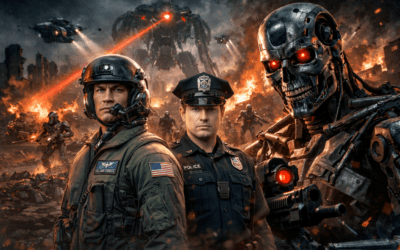
The Algorithm Isn’t the Boss-But It’s With Us in the Briefing Room
We focus on practical leadership considerations: when to trust automated tools, how to validate AI-generated information, and how organizations can integrate these technologies without surrendering judgment, sovereignty, or operational advantage. The ultimate goal is to help practitioners understand how AI changes the competitive landscape—and how professionals can adapt without becoming dependent on systems they don’t fully control.