
EPISODE 189
Feeding the Machine:
Range Nutrition for Tactical Athletes
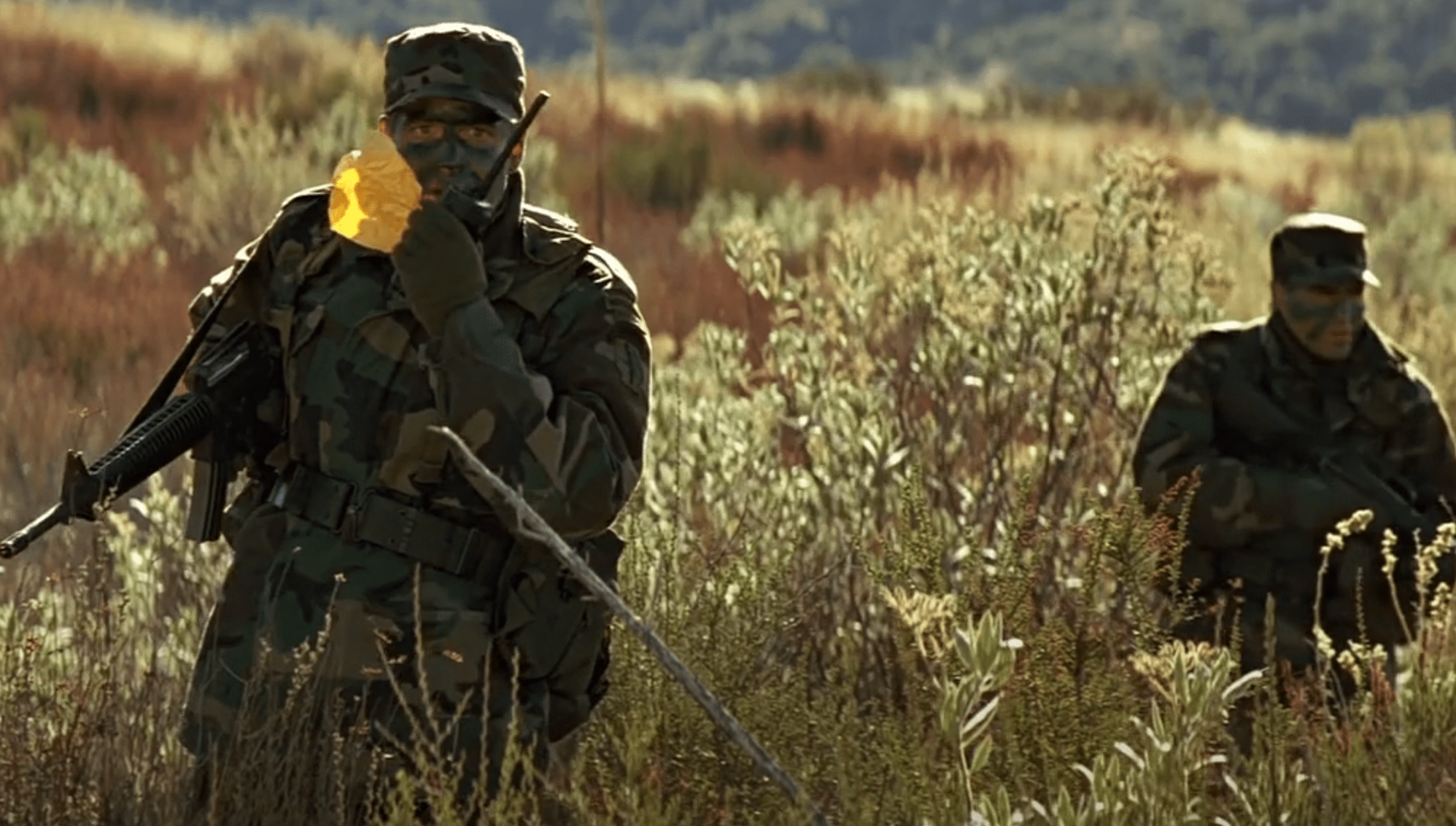
You train like a pro, shoot like a pro—so why fuel like a rookie? Mike and Jim break down practical, no-BS nutrition tips for high-performance days at the range or on duty for the night shift. Whether you’re running drills in full kit, qualifying on a tight schedule, or sneaking in a range session on your day off, what you eat (and drink) matters.
From no-fridge no-microwave hacks to high-protein gas station snacks, we’ll walk you through how to keep your edge when the sun’s beating down and there’s no fridge in sight. If your job demands readiness, your nutrition should match.
Find us on social media (Facebook/Twitter/Instagram/YouTube) @TacTangents. You can join the conversation in our Facebook Discussion Group.
Find all of our episodes, articles, some reading list ideas, and more on our website www.tacticaltangents.com
Like what we’re doing? Head over to Patreon and give us a buck for each new episode. You can also make a one-time contribution at GoFundMe.
Intro music credit Bensound.com
CLICK BELOW TO SUBSCRIBE NOW ON YOUR FAVORITE PLAYER






THANK YOU TO OUR SPONSORS! PLEASE GO CHECK THEM OUT




Recent Episodes
Who even are you? And why I don’t carry as often as I once did.
Mike breaks down why developing a broader, more balanced identity is not just a personal issue, but a professional one. From off-duty mindset to long-term career sustainability, this episode challenges officers to build self-awareness, detach ego from the role, and cultivate purpose beyond the job. Because at some point—whether by promotion, retirement, or circumstance—you won’t be “the cop” anymore, and what’s left needs to be enough.
The best way to clear a house—CQB for Operators and Noobs
This episode explores the tradeoffs behind how we clear structures, why context matters, and what actually improves survivability when everything is working against you.