
EPISODE 30
TrAINING WITH ROLE PLAYERS AND OP-FOR
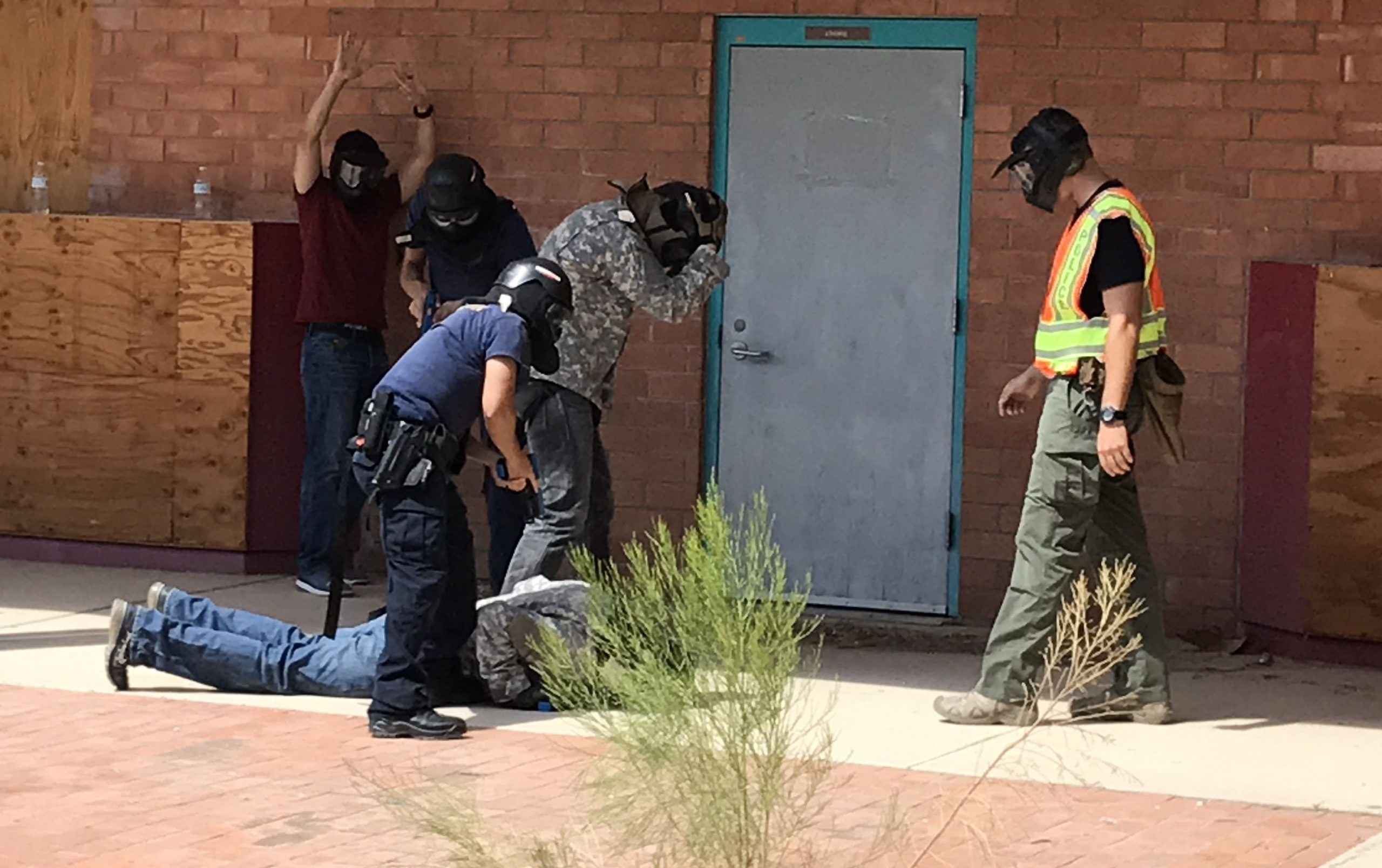
Reality based training with opposing force and other role players
What about “reality” are you trying to simulate when you run scenario based training? How do you explain to your role players what you want them to do? These are some of the questions we are going to address in this episode about training with role players and opposition forces. Using reality based training is an invaluable tool and one of the areas often neglected beyond initial training in the military and public safety. Good training relies heavily on dedicated instructors and quality role players.
Red Flag article
RAND Research Boyd’s Organic Design for Command and Control
Like what we’re doing? Head over to Patreon and give us a buck for each new episode. You can also make a one-time contribution at GoFundMe.
Intro music credit Bensound.com
CLICK BELOW TO SUBSCRIBE NOW ON YOUR FAVORITE PLAYER






THANK YOU TO OUR SPONSORS! PLEASE GO CHECK THEM OUT




Recent Episodes

The Algorithm Isn’t the Boss-But It’s With Us in the Briefing Room
We focus on practical leadership considerations: when to trust automated tools, how to validate AI-generated information, and how organizations can integrate these technologies without surrendering judgment, sovereignty, or operational advantage. The ultimate goal is to help practitioners understand how AI changes the competitive landscape—and how professionals can adapt without becoming dependent on systems they don’t fully control.

Think Like an Architect: Systems Thinking for Warfighters & Cops
Mike and Jim break down systems thinking for tacticians — a practical way to understand how outcomes actually emerge inside military and law enforcement environments. Using real-world examples, they explore how feedback loops, incentives, and hidden dependencies shape everything from crime trends to operational tempo.
0 Comments