
EPISODE 124
symphony of terror
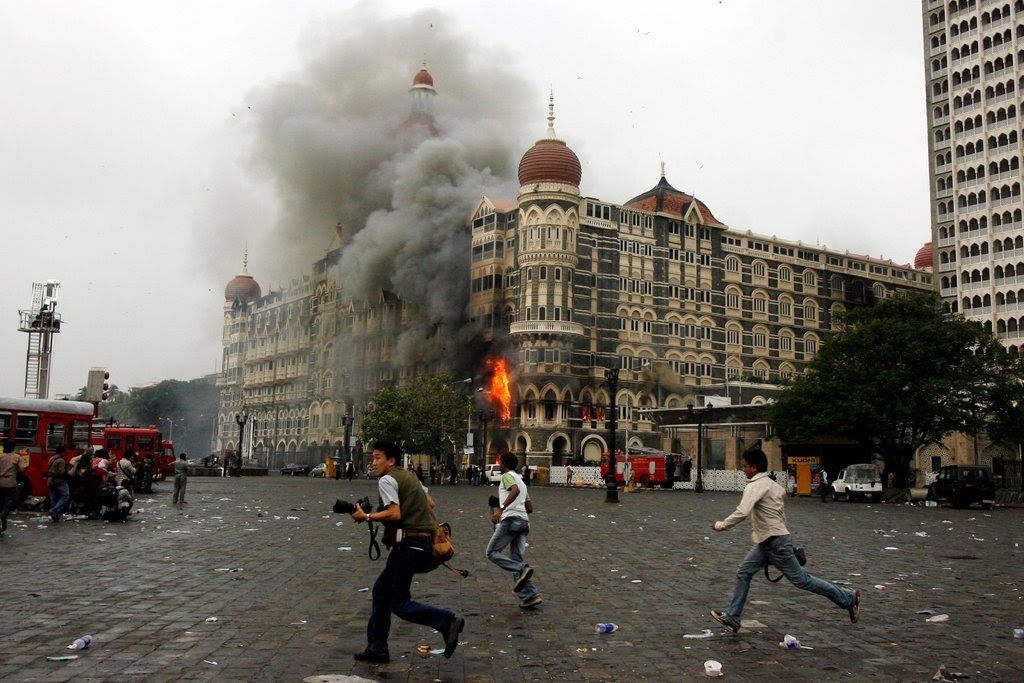
For all its chaos, the stereotypical active shooter situation is fairly straightforward: There’s a bad guy killing people, and the good guys need to close with him and stop him as quickly as possible. The events of November 2008 in the Indian city of Mumbai, however, showed us another, complex, kind of active shooter event and Mike takes a look at the takeaways from those fateful days.
The Mumbai incident, perpetrated by a squad of ten terrorists who had been through a rigorous selection and training process, introduced multiple novel problems worth considering. What happens when there are multiple shooters at different scenes simultaneously? When they have access to serious arms, including grenades, possibly provided by a foreign actor? When they use structure fires as a weapon? When they have outside command-and-control monitoring the news and communicating with the shooters via cell phone? These and other complications inherent in an attack like this are examined in this episode.
Like what we’re doing? Head over to Patreon and give us a buck for each new episode. You can also make a one-time contribution at GoFundMe.
Intro music credit Bensound.com
CLICK BELOW TO SUBSCRIBE NOW ON YOUR FAVORITE PLAYER






THANK YOU TO OUR SPONSORS! PLEASE GO CHECK THEM OUT





Recent Episodes

The best way to clear a house—CQB for Operators and Noobs
This episode explores the tradeoffs behind how we clear structures, why context matters, and what actually improves survivability when everything is working against you.
The Algorithm Isn’t the Boss-But It’s With Us in the Briefing Room
We focus on practical leadership considerations: when to trust automated tools, how to validate AI-generated information, and how organizations can integrate these technologies without surrendering judgment, sovereignty, or operational advantage. The ultimate goal is to help practitioners understand how AI changes the competitive landscape—and how professionals can adapt without becoming dependent on systems they don’t fully control.