
EPISODE 79
The Millennium Bomber: How Professionalism saved the day
Because Luck is not a Tactic. Pre-attack indicators, the radicalization process, and the Swiss Cheese Model.
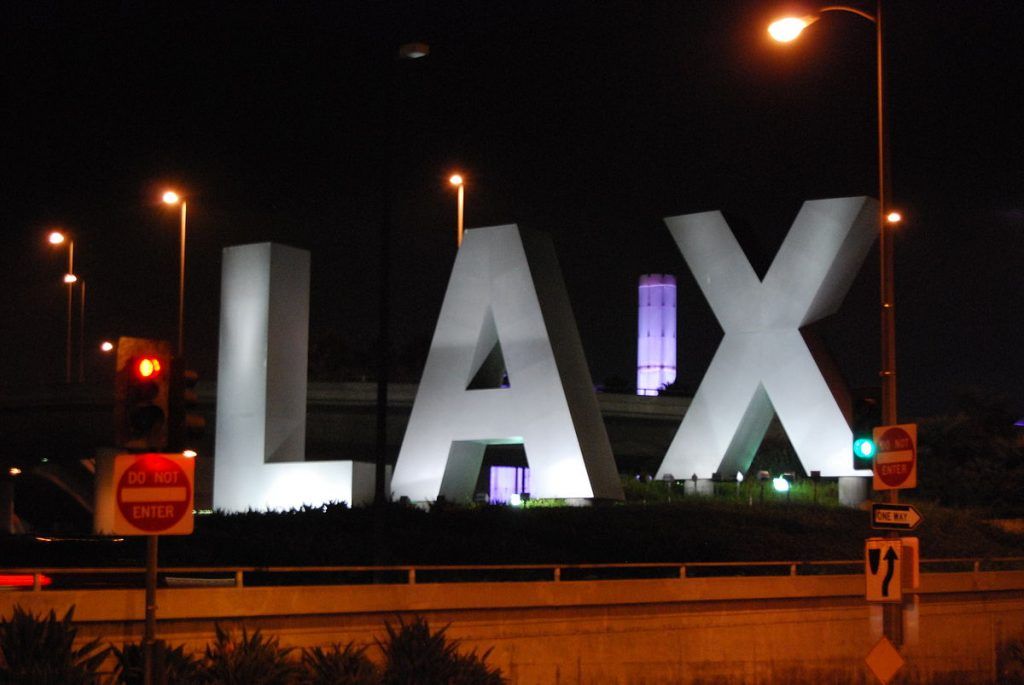
A terror plot at the turn of the century was thwarted by the professionalism of CBP Agent Diana Dean. For those of us old enough to remember the Y2K drama, you might not have heard of the foiled plot to bomb the Los Angeles International Airport amidst New Year’s celebrations for the year 2000. This Al Qaeda sponsored terrorist attack was halted in its tracks by a squared away Customs and Immigration Agent, who noted Ahmed Ressam’s suspicious behavior and sent him to a secondary inspection. Mike and Jim share their overview and analysis of the event to help you stay vigilant as we approach the 20th anniversary of this success story. We also touch on pre-attack indicators, the radicalization process, and a defense and risk mitigation strategy called “The Swiss Cheese Model.”
The Seattle Times: The Terrorist Within
Swiss Cheese Model (wikipedia)
Like what we’re doing? Head over to Patreon and give us a buck for each new episode. You can also make a one-time contribution at GoFundMe.
Intro music credit Bensound.com
CLICK BELOW TO SUBSCRIBE NOW ON YOUR FAVORITE PLAYER






THANK YOU TO OUR SPONSORS! PLEASE GO CHECK THEM OUT




Recent Episodes
It’s Chess AND Checkers–Tactics and Strategy Unite!
Why do we focus so much on tactics and so little on strategy? In this episode, Mike and Jim tackle the divide between street-level action and big-picture thinking. Drawing on lessons from policing, the military, and community crime prevention, they explore how individual cops, community members, and leaders can influence criminal decision-making—not just react to it.
Topics include resource constraints, the Broken Windows theory, and strategies for shifting offender perceptions to prevent crime before it occurs.

Hazing vs. Hardening: Building Strong Teams Without Breaking People
Hazing, or just holding the new guy to a high standard? That line matters—and we’re walking it in this episode. Mike and Jim break down where real team-building ends and toxic tradition begins. We’re talking SWAT school, academy culture, leadership, and how to onboard new teammates without wrecking morale. This one’s about building teams that are tough, smart, and built to last.
0 Comments