
EPISODE 2
USING RULES TO MANAGE RISK
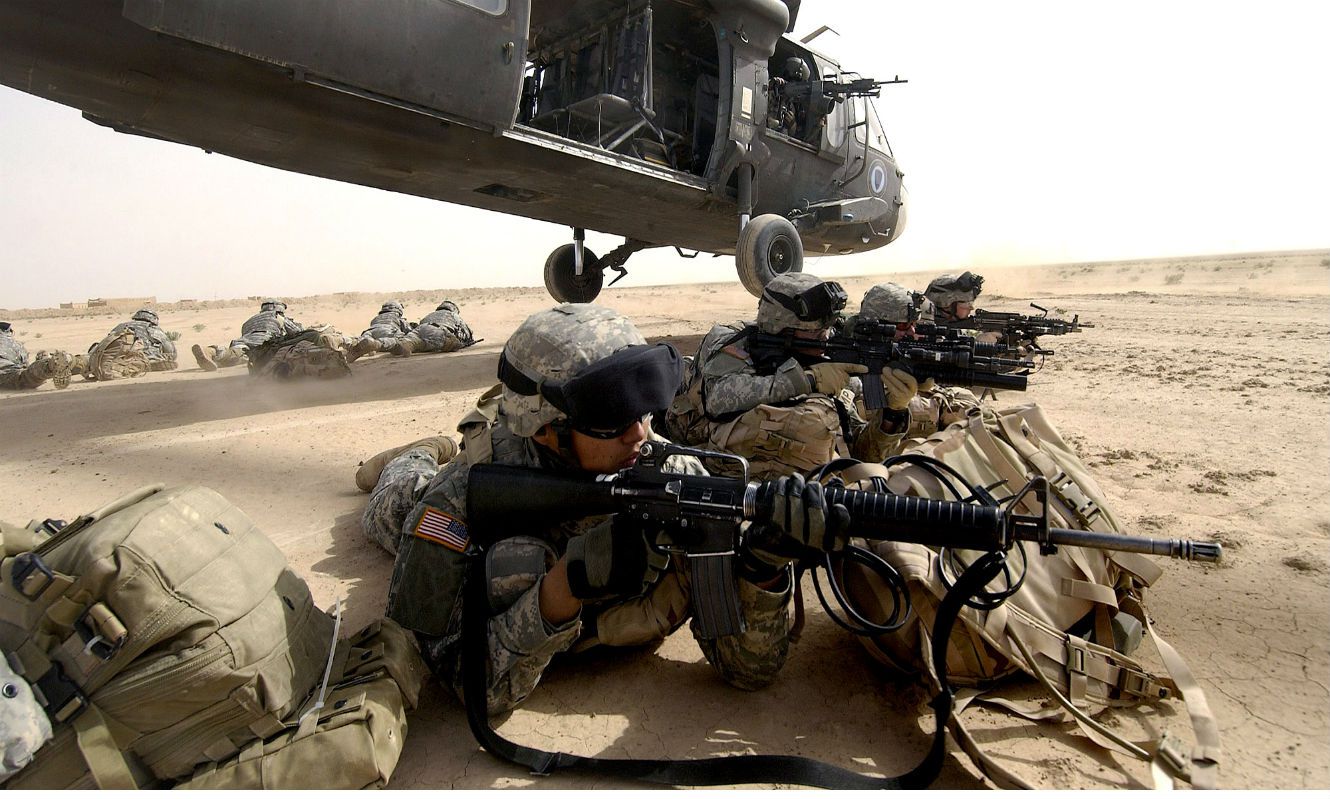
One of the themes we discussed in our last episode was that just because something is technically legal, or not against the rules, that doesn’t necessarily make it a good idea. We build on that theme today and talk about how we use rules and guidelines to manage risk and shape our decisions. We talk about the risks associated with car chases, the 21 foot rule, and how some parents worry more about having a gun in the house than a pool in their backyard.
We also share one of our guiding principles from Col. John Boyd about training and risk management: People, Ideas, and THEN Hardware, in that order!
Links:
Boyd, The Fighter Pilot Who Changed the Art of War
Pearl Harbor: Warning and Decision
Jim’s article on Lessons Learned from Tactical Aviation (also available on Facebook here)
Like what we’re doing? Head over to Patreon and give us a buck for each new episode. You can also make a one-time contribution at GoFundMe.
Intro music credit Bensound.com
CLICK BELOW TO SUBSCRIBE NOW ON YOUR FAVORITE PLAYER






THANK YOU TO OUR SPONSORS! PLEASE GO CHECK THEM OUT




Recent Episodes

The Algorithm Isn’t the Boss-But It’s With Us in the Briefing Room
We focus on practical leadership considerations: when to trust automated tools, how to validate AI-generated information, and how organizations can integrate these technologies without surrendering judgment, sovereignty, or operational advantage. The ultimate goal is to help practitioners understand how AI changes the competitive landscape—and how professionals can adapt without becoming dependent on systems they don’t fully control.

Think Like an Architect: Systems Thinking for Warfighters & Cops
Mike and Jim break down systems thinking for tacticians — a practical way to understand how outcomes actually emerge inside military and law enforcement environments. Using real-world examples, they explore how feedback loops, incentives, and hidden dependencies shape everything from crime trends to operational tempo.
0 Comments