
EPISODE 149
A Good Commander Knows What to Control
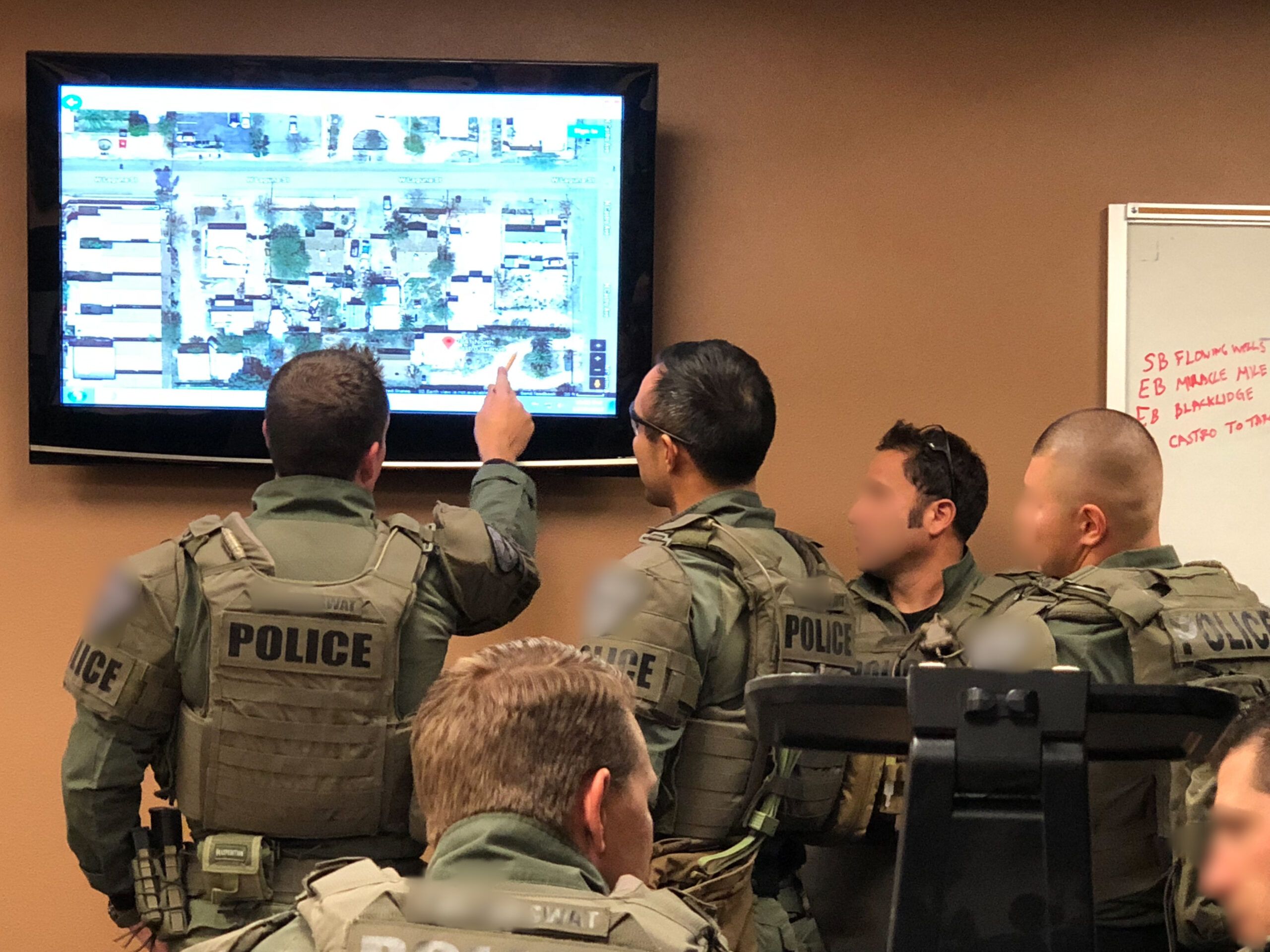
No team in law enforcement is composed of robotic textbook-following automatons, nor would we want it to be, if we’ve ever found ourselves at 2MPH over the limit. But when a worst-case incident unfolds, we want every first responder to make the right decision at the speed of life, because in those incidents seconds often equal victims. How can we raise the lowest common denominator, so our people make the right decisions quickly without rushing to failure?
In this episode Mike and Jim talk about command and control, and teaching decision-making skills to team members. In this way, when everything hits the fan, the right decisions get made fast, and get made at the right level. There’s a reason for supervisors, commanders, and leaders, but it’s important to know when to let subordinates make decisions. Not every incident is The Big One, but nobody’s ready for The Big One if they haven’t been taught in the small ones.
Find us on social media (Facebook/Twitter/Instagram/YouTube) @TacTangents
You can join the conversation in our Facebook Discussion Group.
Find all of our episodes, articles, some reading list ideas, and more on our website www.tacticaltangents.com
Like what we’re doing? Head over to Patreon and give us a buck for each new episode. You can also make a one-time contribution at GoFundMe.
Intro music credit Bensound.com
CLICK BELOW TO SUBSCRIBE NOW ON YOUR FAVORITE PLAYER






THANK YOU TO OUR SPONSORS! PLEASE GO CHECK THEM OUT



Recent Episodes

The Pen is Mightier Than The Sword… sometimes
This episode explores why communication is not a soft skill—but a core professional competency. Mike and Jim break down how narratives form, spread, and harden in high-stress environments, and why organizations that fail to tell their own story often lose control of it. From each of their own real-world experiences, they show how storytelling affects trust, cooperation, and institutional survival.
Closing the Gaps: Building Competence in High Performing-Teams
In high-stakes professions, the things you don’t see can hurt you. In this episode, Mike and Jim break down how gaps and blind spots develop in training, operations, and leadership—often without anyone realizing it. They dive into cognitive load, skill decay, mismatched expectations, and why even good training pipelines struggle to produce consistent results.