
EPISODE 11
GET OFF THE X!
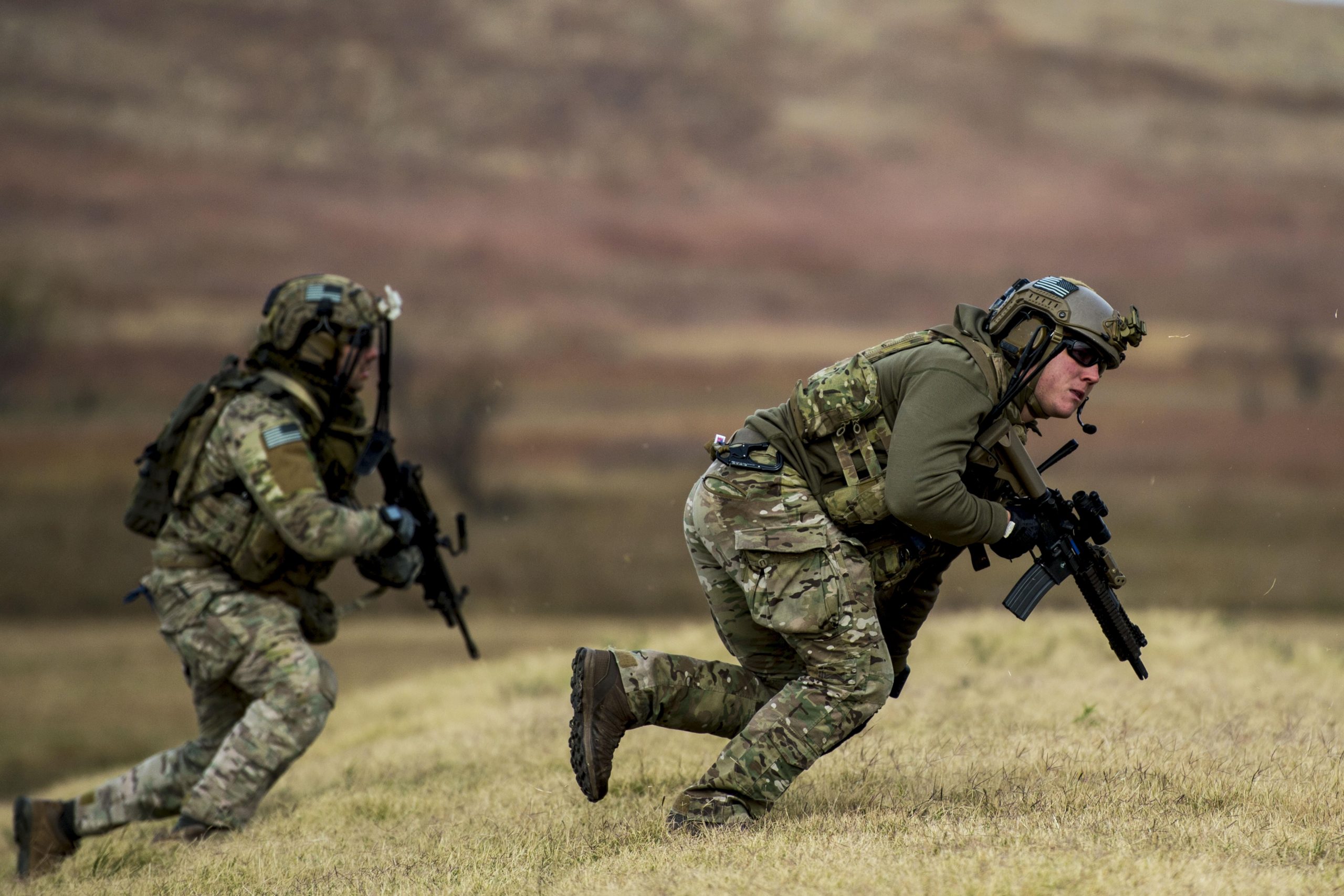
Ambush is a term that we tend to overuse to mean any attack that catches us off guard. We are going to define the term ambush and, more importantly, define the counter-tactics to apply if you are ambushed. The important thing to realize is that the sooner you identify an imminent or in-progress ambush, the sooner you are able to effectively respond to it. So we have to make sure we aren’t getting too wrapped in the semantics here, it only matters if your counter-tactics apply. We’re going to look at a handful of civilian case studies and discuss what those ambush tactics and counter-tactics look like so you might be able to pick up on them if they are ever happening to you.
Special thanks to John at Active Self Protection for helping us out with some examples—be sure to check out his videos and commentary in the links below!
Links to Active Self Protection, thanks John!
https://www.youtube.com/watch?v=4zpA2IZNTRY
https://www.youtube.com/watch?v=nYIGWVdCZGM
https://www.youtube.com/watch?v=qRhzk8SYm-M
https://www.youtube.com/watch?v=bLmoERgcTx8
Like what we’re doing? Head over to Patreon and give us a buck for each new episode. You can also make a one-time contribution at GoFundMe.
Intro music credit Bensound.com
CLICK BELOW TO SUBSCRIBE NOW ON YOUR FAVORITE PLAYER






THANK YOU TO OUR SPONSORS! PLEASE GO CHECK THEM OUT




Recent Episodes
Who even are you? And why I don’t carry as often as I once did.
Mike breaks down why developing a broader, more balanced identity is not just a personal issue, but a professional one. From off-duty mindset to long-term career sustainability, this episode challenges officers to build self-awareness, detach ego from the role, and cultivate purpose beyond the job. Because at some point—whether by promotion, retirement, or circumstance—you won’t be “the cop” anymore, and what’s left needs to be enough.
The best way to clear a house—CQB for Operators and Noobs
This episode explores the tradeoffs behind how we clear structures, why context matters, and what actually improves survivability when everything is working against you.
0 Comments