
EPISODE 148
Sleeping for Success
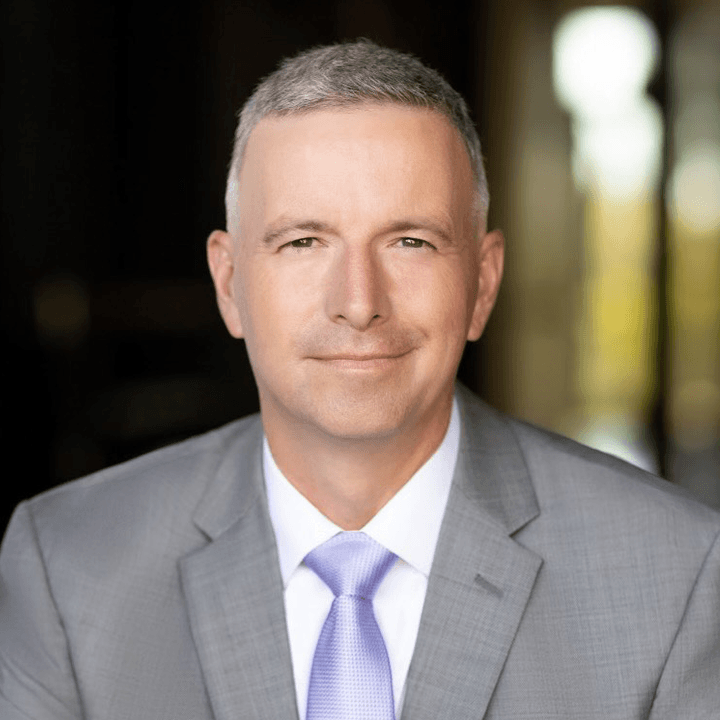
The downsides of sleep deprivation are legion: irritability, poor judgment, even lowered testosterone. Yet the duties of the .mil and LE career fields are well known for demanding odd and/or long hours that can make it hard to get good sleep. Mike talks with Dr. Paul Sargent of O2X, a specialist in human performances and sleep factors, in how to get the good shut-eye.
Dr. Sargent retired from a 25 year Navy career that included such exotic postings as being the only psychiatrist in Anbar Province, where he helped stand up the Combat Sleep School. How to maximize healthy sleep hygiene without using drugs that might blunt the tactical edge is his specialty, and in this episode he talks with Mike about the best way we can adapt modern life schedules to bodies that have ancient sleep needs.
Links:
J. Bryan Sexton: 3 Good Things – https://youtu.be/OYMQYhey08w
Find us on social media (Facebook/Twitter/Instagram/YouTube) @TacTangents
You can join the conversation in our Facebook Discussion Group.
Find all of our episodes, articles, some reading list ideas, and more on our website www.tacticaltangents.com
Like what we’re doing? Head over to Patreon and give us a buck for each new episode. You can also make a one-time contribution at GoFundMe.
Intro music credit Bensound.com
CLICK BELOW TO SUBSCRIBE NOW ON YOUR FAVORITE PLAYER






THANK YOU TO OUR SPONSORS! PLEASE GO CHECK THEM OUT



Recent Episodes

The best way to clear a house—CQB for Operators and Noobs
This episode explores the tradeoffs behind how we clear structures, why context matters, and what actually improves survivability when everything is working against you.
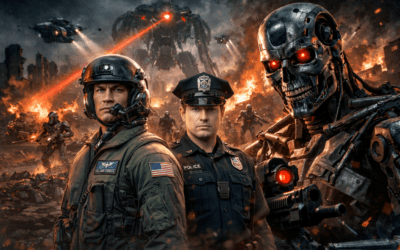
The Algorithm Isn’t the Boss-But It’s With Us in the Briefing Room
We focus on practical leadership considerations: when to trust automated tools, how to validate AI-generated information, and how organizations can integrate these technologies without surrendering judgment, sovereignty, or operational advantage. The ultimate goal is to help practitioners understand how AI changes the competitive landscape—and how professionals can adapt without becoming dependent on systems they don’t fully control.