
EPISODE 69
KILLING GROSSMAN:
UNDERSTANDING ON COMBAT AND ON KILLING
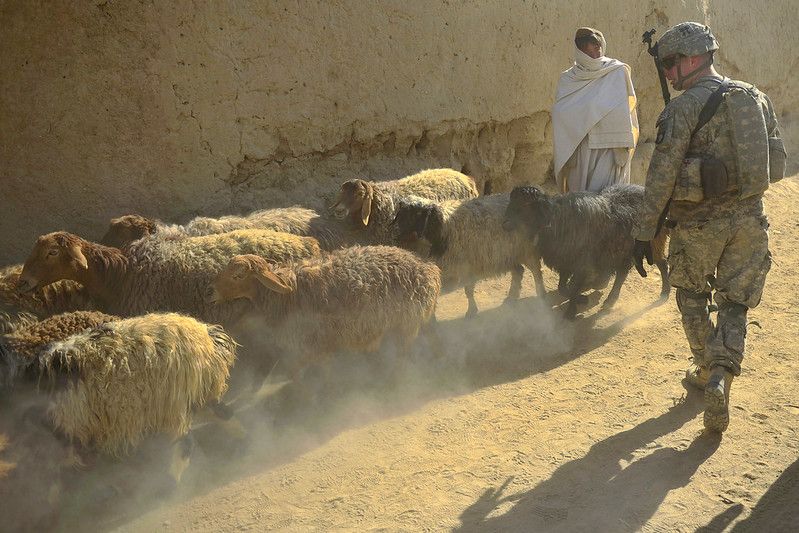
Mike and Jim discuss one of the most controversial figures in tactical thought: LTC Dave Grossman
Lt. Col. Dave Grossman is a retired military psychology teacher who wrote the books On Combat and On Killing. They were some of the first attempts to help people understand the psychological experience of killing from the perspective the armed forces and survival-oriented crowds, but because they were such early works some of his theories don’t hold up long-term. We discuss these issues and how the tactical telephone game and caricature views of violence through things like Sheep, Wolves, and Sheepdogs can be problematic.
Like what we’re doing? Head over to Patreon and give us a buck for each new episode. You can also make a one-time contribution at GoFundMe.
Intro music credit Bensound.com
CLICK BELOW TO SUBSCRIBE NOW ON YOUR FAVORITE PLAYER






THANK YOU TO OUR SPONSORS! PLEASE GO CHECK THEM OUT




Recent Episodes
Who even are you? And why I don’t carry as often as I once did.
Mike breaks down why developing a broader, more balanced identity is not just a personal issue, but a professional one. From off-duty mindset to long-term career sustainability, this episode challenges officers to build self-awareness, detach ego from the role, and cultivate purpose beyond the job. Because at some point—whether by promotion, retirement, or circumstance—you won’t be “the cop” anymore, and what’s left needs to be enough.
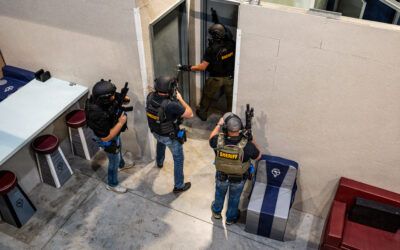
The best way to clear a house—CQB for Operators and Noobs
This episode explores the tradeoffs behind how we clear structures, why context matters, and what actually improves survivability when everything is working against you.
0 Comments